
Author: admin

  • After 120 years in business Sprint went from over 58 MILLION customers at their peak paying them monthly to completely gone.

    After 120 years in business Sprint went from over 58 MILLION customers at their peak paying them monthly to completely gone.

    After 120 years in business Sprint went from over 58 MILLION customers at their peak paying them monthly to completely gone.

    After 120 years in business Sprint went from over 58 MILLION customers at their peak paying them monthly to completely gone. Let’s talk about a few of the reasons why…

    In 2005, Sprint merged with Nextel in a $35 billion deal that was supposed to create a powerhouse. Instead, it became one of the worst mergers in corporate history.

    Quick history lesson so you understand what happened here: Nextel had about 15–20 million customers and dominated the business sector at the time of the merger. Their customers were extremely loyal and loved the push-to-talk feature (It was like walkie talkie functionality everywhere), but they used a completely different technology called iDEN. This was the beginning of the end for Sprint.

    📌 Lesson: They looked solely at scale and volume and completely overlooked the technology and the details. Pay attention to the details.

    Next came the fallout, customers started dealing with nonstop issues as services stopped working properly. Sprint had to maintain multiple infrastructures at once(CDMA and iDEN) burning billions “unexpectedly” just to keep things running. Within a few years, they wrote off over $30 billion in losses tied directly to the merger.

    📌 Lesson: Complexity kills profits. Growth without integration is just chaos at scale. Then came another costly mistake. Around 2008, Sprint invested more than $5 billion into building a new 4G network using a technology called WiMAX through its Clearwire partnership. The plan was to beat Verizon and AT&T to 4G speeds and reclaim market leadership. It worked briefly, but the rest of the world standardized on LTE, not WiMAX.

    That decision left Sprint with a network that few phones supported and that couldn’t expand efficiently nationwide. By 2011, Sprint had to scrap WiMAX and start over with LTE from the ground up, costing them billions more and valuable time. By then, Verizon already covered over 200 million customers with LTE, while Sprint was still rebuilding.

    📌 Lesson: Being first doesn’t matter if you’re moving in the wrong direction.

    Around this same time, Sprint was also investing heavily in something no one else was doing with in store techs. Which personally I’m happy they did because I got to meet Scott and Thurman who were techs while I was at Sprint and were hilarious. Back to the story though, by 2008 every Sprint store had techs. It was supposed to give customers a better experience and faster repairs, but it came at a high cost. Especially during a time where they were already BLEEDING customers.

    Sprint spent an estimated 100 to 130 million dollars every year keeping these repair centers staffed and stocked. Meanwhile, Verizon, AT&T, and T-Mobile partnered with Asurion to handle repairs off site for a fraction of the cost. Sprint carried the payroll, parts, and overhead, while its competitors scaled leaner and faster.

    📌 Lesson: Great service doesn’t mean doing everything yourself. Efficiency beats effort every time. Then came years of failed campaigns and leadership turnover. From Gary Forsee (2003–2007) to Dan Hesse (2007–2014), Marcelo Claure (2014–2018), and Michel Combes (2018–2020), each promised a turnaround, but none fixed the foundation.

    SoftBank acquired a majority stake in 2013 for $21.6 billion and invested over $20 billion more in network upgrades and marketing. It wasn’t enough to undo years of mismanagement and bad bets.

    📌 Lesson: You can’t fund your way out of bad fundamentals.

    By 2020, Sprint officially merged with T-Mobile, and the Sprint name was gone for good. After more than 120 years in business, the brand that once helped shape wireless communication disappeared completely.

    📌 Lesson: Vision delayed becomes vision denied.

    Sprint was born from innovation but ultimately died from integration failure. Sometimes the fall isn’t from a bad idea, it’s from never adapting a good one.

    Did you ever have Sprint back in the day? I actually worked for Sprint back in the day and have good memories from my time there. #BusinessBreakdown #business #entrepreneurmindset #businesslessons


  • Blackberry went from selling 52 MILLION phones in 2011 to ZERO 5 years later. Let’s talk about it…

    Blackberry went from selling 52 MILLION phones in 2011 to ZERO 5 years later. Let’s talk about it…

    Blackberry went from selling 52 MILLION phones in 2011 to ZERO 5 years later. Let’s talk about it…

    – The biggest one is in 2007 Steve Jobs introduced the iPhone to the world. But this alone wasn’t the death blow, it was the writing on the wall. Things were shifting, but BlackBerry didn’t see that consumer wants were shifting too. They infamously laughed it off saying no one is going to trade it a keyboard for a touchscreen.

    📌 Lesson: Don’t assume your customers will always want what you value.

    – This next one in my opinion truly was the beginning of the end and that’s the software. Apple and Android came out with their app stores in 2008. Blackberry didn’t introduce theirs until almost a full year afterwards. The issue with this is developers were already locked in on Apple and Android so again they were behind.

    📌 Lesson: Being a year late in tech can mean a lifetime lost.

    – Essentially while Apple and Google were building out whole Ecosystems Blackberry was still on the everyone just wants BBM, a keyboard and to email with their devices.

    📌 Lesson: Build communities, not just products.

    – When Blackberry finally and I do mean finally came out with their BB10 system in 2013 iPhone already had 5 phones by this point. Samsung’s Galaxy was dominating on the Android side and unfortunately for them they still hadn’t gotten developer support. So think no Instagram, snapchat, YouTube app, Spotify, or all those mobile games blowing up around that time. Think Angry birds etc.

    📌 Lesson: Innovation delayed is innovation denied.

    – They also had a two CEO structure which was good at the beginning but became a liability during the times when quick decision making was needed.

    📌 Lesson: When everyone’s in charge, no one makes the call.

    Blackberry’s strength was in security and they are still in that business (cybersecurity and enterprise) fortunately for them but they missed the boat with continuing in the phone sector.

    Did you ever use a Blackberry? Do you remember BBM? Do you miss them?

    #businessstorytelling #businesstalk #businessgrowth

    Make sure to click here to schedule your business coaching, get a website or logo today.

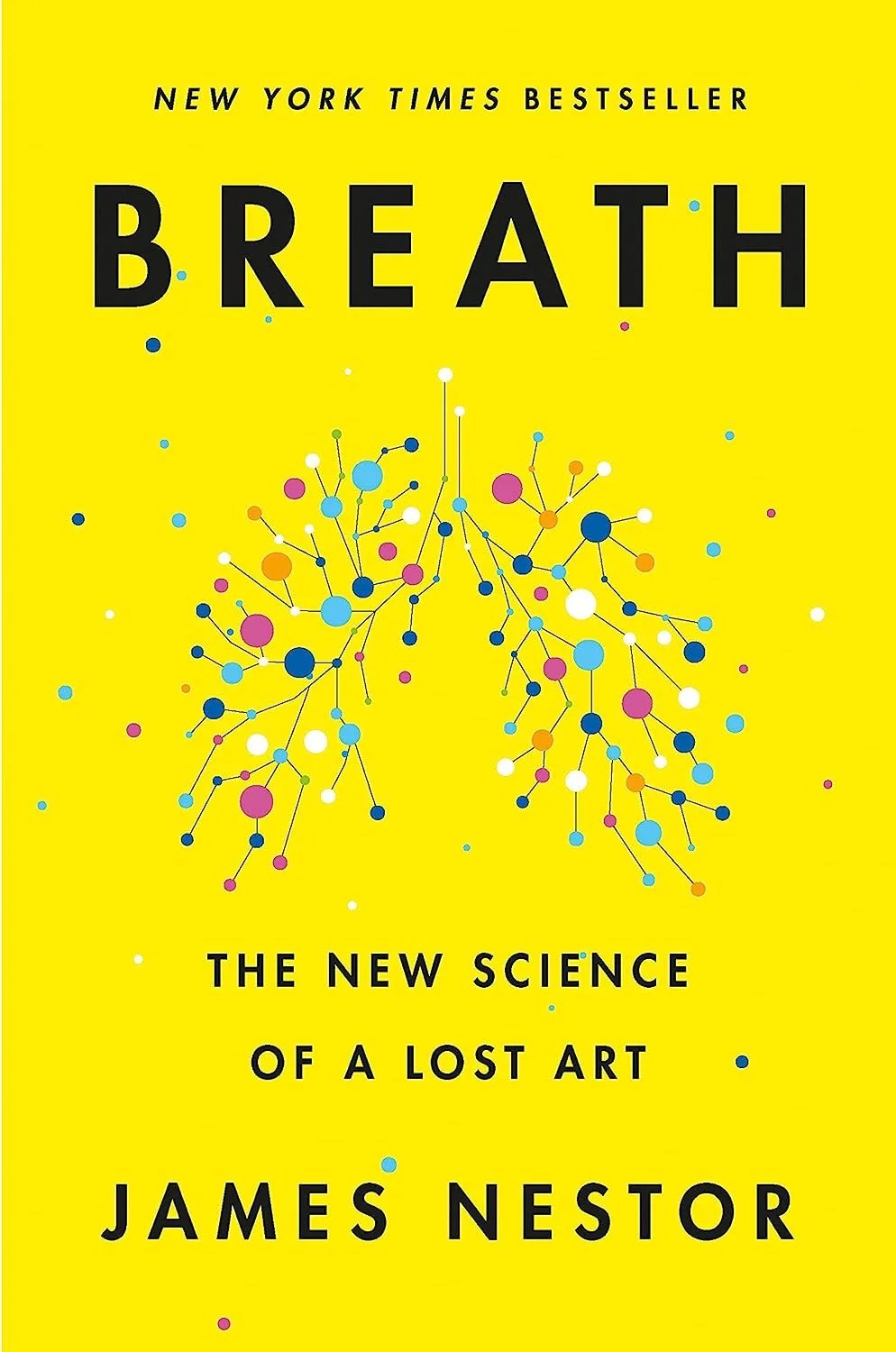
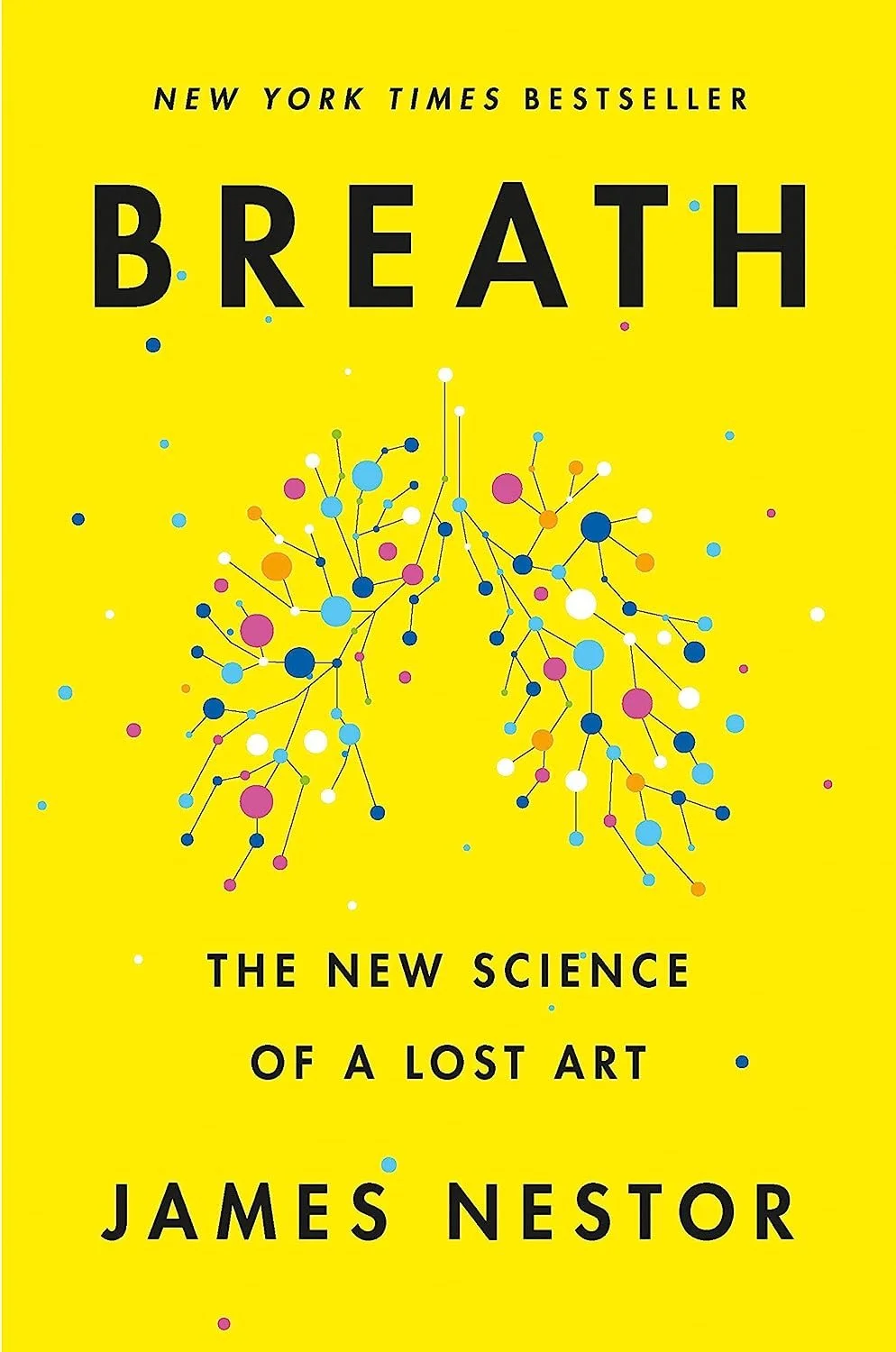
  • Breath: The New Science of a Lost Art

    Breath: The New Science of a Lost Art

    Breath: The New Science of a Lost Art

    Overall Summary

    Breathing is an innate function of our existence, essential for survival, yet often overlooked in our overall health and well-being. In his enlightening book, “Breath: The New Science of a Lost Art,” author James Nestor takes readers on a fascinating journey into breathing, revealing its profound impact on every aspect of our lives.

    In his meticulously researched book, Nestor explores the forgotten wisdom of ancient civilizations and presents the latest scientific findings to unveil the therapeutic potential of conscious breathing. He posits that our modern lifestyle, which includes mouth breathing, shallow breaths, and chronic stress, compromises our respiratory health and overall vitality.

    Nestor’s exploration takes us to various corners of the world, from ancient Greece to the remote islands of the Pacific, where he uncovers intriguing breathing techniques that have been employed for centuries. He delves into the world of free divers and yogis, shedding light on their extraordinary abilities and revealing the transformative effect that conscious breathing has on their bodies and minds.

    Through vivid anecdotes and personal experiences, Nestor demonstrates the remarkable benefits of nasal breathing, from increased lung capacity and oxygenation to reduced anxiety and improved sleep. He also uncovers how nasal breathing can alleviate asthma, allergies, and autoimmune diseases.

    One of the book’s main highlights is Nestor’s exploration of the modern-day epidemic of sleep disorders and how simple breathing exercises can revolutionize our sleep patterns. According to Nestor, we can enhance our cognitive abilities, memory, and overall well-being by retraining our breath and optimising our sleep.
    “Breath” serves as a wake-up call, urging us to reassess our breathing habits and prioritize proper respiratory function. Nestor compels readers to throw away their misconceptions and rediscover the power of our breath, providing practical tips and exercises to incorporate conscious breathing into our daily lives.

    In this eye-opening read, James Nestor teaches us to appreciate the overlooked superheroic qualities of our breath and compels us to harness its power to live healthier, more fulfilling lives. The book is a potent reminder that restoring our breathing patterns can lead to renewed vitality and unlock our true human potential.

    Personal Highlights | Takeaways

    I found ‘Breath’ by James Nestor to be a fascinating exploration into something we often take for granted. Nestor’s research and experiments illuminate the profound impact of proper breathing on our health, sleep, and overall well-being. His presentation of the science of breathwork, complemented by his personal experiences, made it a highly compelling read. This book has made me reconsider the importance of breathing techniques in daily life.

    1. Lost Art of Breathing: Nestor emphasizes that humans have lost their ability to breathe correctly, contributing to various health issues, from sleep problems to anxiety. He suggests returning to more natural breathing patterns can significantly improve our well-being.

    2. Scientific Exploration: The book delves deep into scientific research about breathing and its effects on our bodies. Nestor documents various experiments, including some he undertakes, highlighting the profound impact of breathing techniques on physical and mental health.

    3. Breathing Techniques: Nestor introduces and explores numerous breathing techniques, like nasal breathing, diaphragmatic breathing, and the Buteyko method, which has been used in different cultures for thousands of years. He emphasizes their benefits, providing practical tips for readers to incorporate these techniques into their everyday lives.

    Have you read this book? Please share your thoughts below.

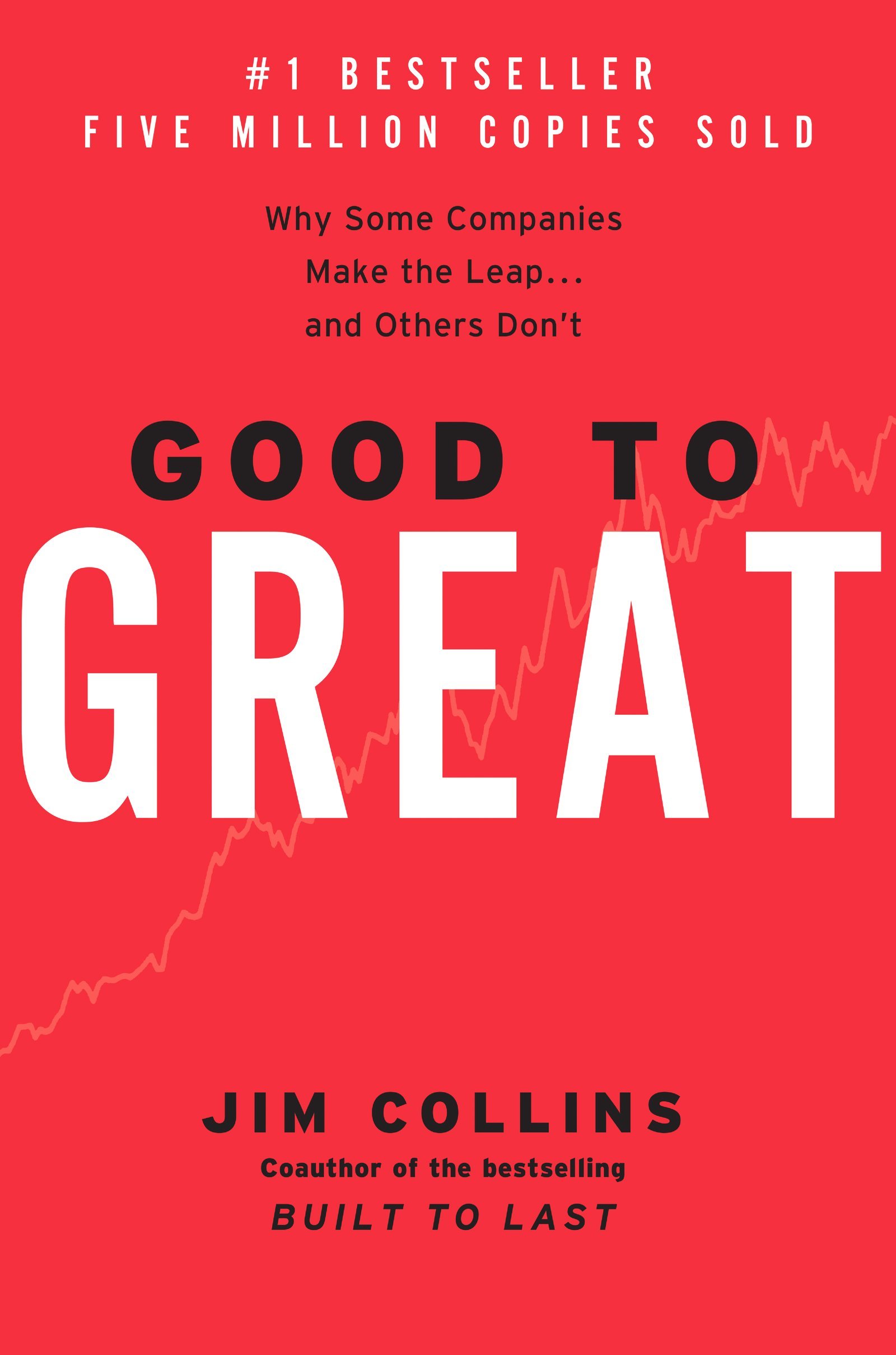
  • Good to Great By Jim Collins | Book Review

    Good to Great By Jim Collins | Book Review

    Good to Great By Jim Collins | Book Review

    Overview Summary

    Good to Great by Jim Collins is an outstanding book that explores the underpinnings of great companies. Collins and his research team meticulously studied eleven companies that transformed from being merely good to becoming great, creating a lasting impact on their industries.

    The book revolves around the key concept of Level 5 Leadership – a leadership style that combines personal humility with professional will, two contrasting characteristics that are rarely found in a single individual. It showcases the importance of having the right people on the team, arguing that who is on the bus is more important than where the bus is going.

    Collins introduces the Hedgehog Concept, emphasizing the importance of focusing on what you are passionate about, what you can be the best at, and what drives your economic engine. His analysis challenges the popular belief that successful companies primarily rely on strategy, technology, and charismatic leaders. Instead, he illustrates that disciplined people, disciplined thought, and disciplined action are crucial for transforming a good company into a great one.

    The concept of the flywheel and the doom loop is another significant takeaway from the book. It illustrates how steady, consistent effort over time can generate momentum and yield significant results, whereas inconsistent, erratic efforts lead to a doom loop of decline.

    Moreover, “Good to Great” isn’t just a business book; it’s a book about human nature and behavior. It delivers valuable lessons for anyone looking to create lasting improvements and profound transformations in any arena of life.

    Collins’ writing is both lucid and engaging, making the book an easy read despite its complex subject matter. His rigorous research methodology and real-world examples lend significant credibility to his arguments.

    In conclusion, “Good to Great” is a seminal work in the field of business literature, providing insightful and valuable lessons on the path from mediocrity to excellence. It’s a must-read for leaders, managers, entrepreneurs, or anyone who aspires to make a significant positive difference in their organization or team.

    Personal Thoughts | Highlights

    This book genuinely left a strong impression on me. ‘Good to Great’ by Jim Collins is an impressive analysis of corporate success and transformation. The concept of Level 5 Leadership, which emphasizes a blend of humility and determination, was particularly striking. I also found the Hedgehog Concept enlightening as it underscored the need to find the intersection between passion, skill, and economic viability. The book beautifully challenges many conventional notions of business success and provides some deeply insightful lessons.

    One of the standout takeaways was the idea of the ‘Flywheel Effect.’ It underscores the power of consistency and how steady effort can yield momentous results over time. It’s a valuable lesson not just for businesses but also for personal growth.

    What I appreciated the most was how Collins converted complex ideas into easily digestible and applicable concepts. His extensive research and use of real-world examples added authenticity to his insights. I found this book to be an invaluable guide for anyone aiming to bring about transformational change in their organization or personal life.

    1. Level 5 Leadership: The concept of Level 5 Leadership is a key highlight from the book. Collins describes Level 5 leaders as those who combine personal humility with an intense professional will. They are ambitious for their company but maintain a sense of modesty about their personal achievements. These leaders are critical in transforming a company from good to great.

    2. The Hedgehog Concept: This principle is based on the parable of the fox, who knows many things, and the hedgehog, who knows one big thing. Good-to-great companies, according to Collins, behave more like a hedgehog — they focus on what they can do best, what ignites their passion, and what drives their economic engine. This principle encourages companies to find their unique intersection of these three circles and stick to it.

    3. The Flywheel and the Doom Loop: Collins describes the process of building momentum in a company as turning a heavy flywheel. Each push is an incremental step forward — there’s no single defining action that leads to a breakthrough, but rather persistent and consistent effort. Conversely, the “doom loop” describes companies that chase after new strategies or fads, leading to a lack of consistency and momentum.

    Have you read this book? Please share your thoughts below.

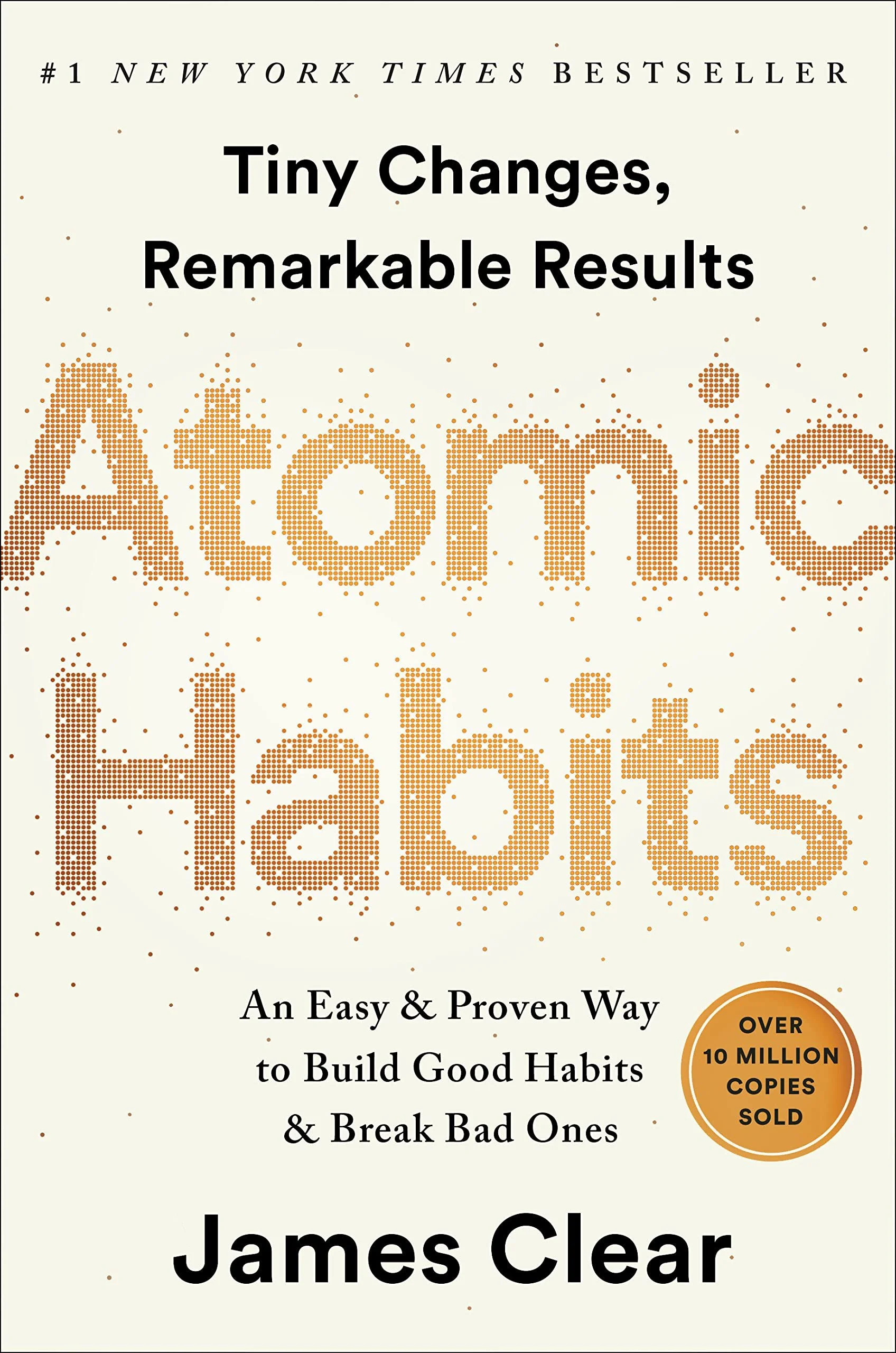
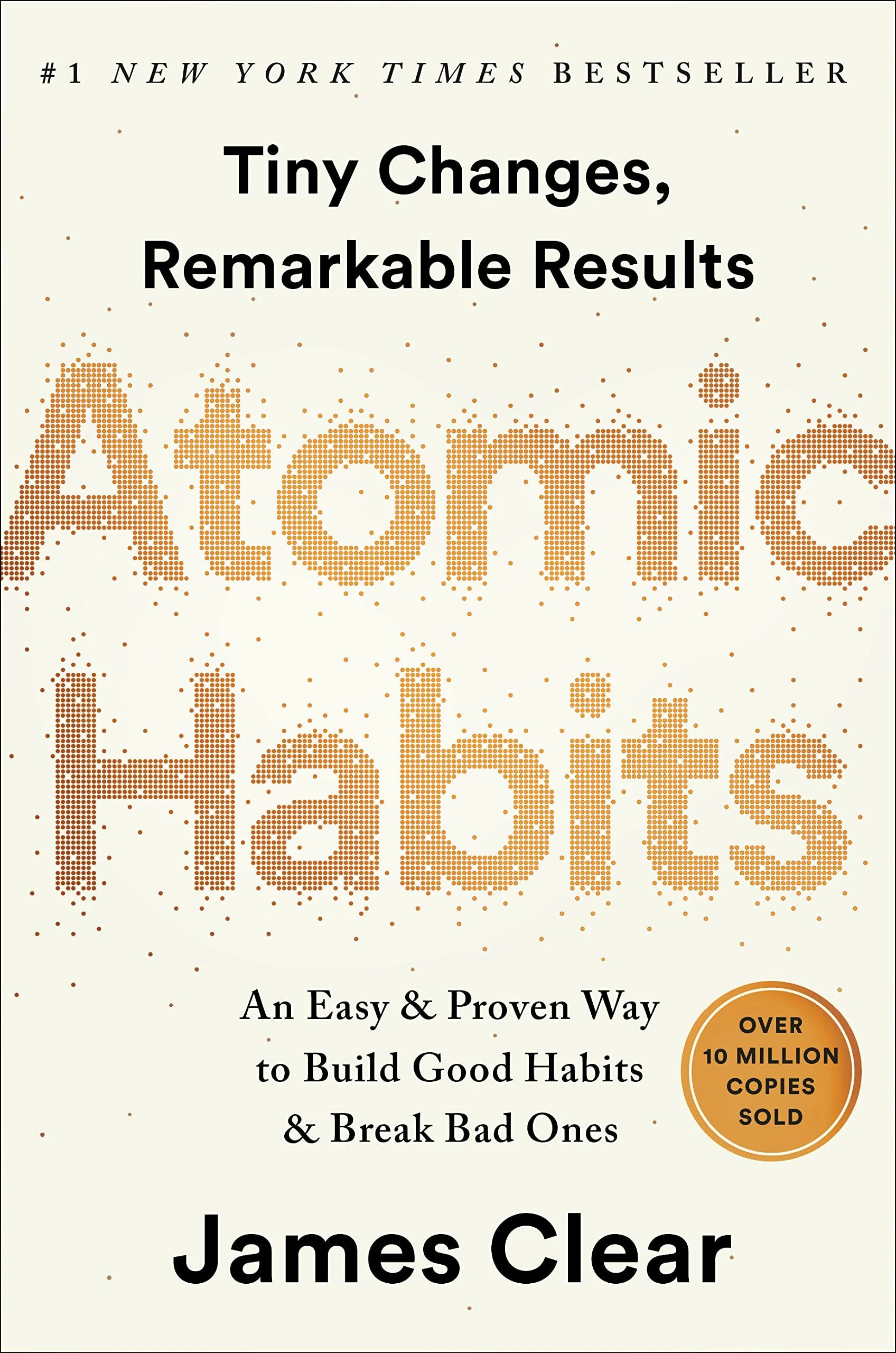
  • Atomic Habits By James Clear | Book Review

    Atomic Habits By James Clear | Book Review

    Atomic Habits By James Clear | Book Review

    Overview Summary

    “Atomic Habits” by James Clear is an insightful guidebook that delivers powerful, actionable insights about habit formation and the significant impact it can have on our lives. Clear’s approach demystifies the complex process of building and breaking habits, making it understandable and applicable to anyone seeking self-improvement.

    The book’s central premise revolves around the concept of compound interest applied to habits. Clear asserts that even small, 1% changes in our daily routines can, over time, lead to remarkable outcomes. This perspective is highly empowering, allowing the reader to view progress not as a product of monumental shifts, but rather as the result of consistent, incremental changes.

    Clear’s four-step model of cue, craving, response, and reward provides a comprehensive and intuitive framework for understanding how habits work. His actionable strategies for habit manipulation, like habit stacking and environment design, are equally impressive, providing readers with concrete ways to implement new habits or reshape existing ones.

    The book is meticulously researched, drawing on a variety of scientific studies, and presented in a highly accessible manner. Clear’s writing style is engaging, sprinkled with enlightening anecdotes and relatable examples, making the book a captivating read.

    However, “Atomic Habits” doesn’t just stop at personal development. It successfully extends its principles to teams and organizations, illustrating how collective habits can influence group performance and culture.

    In conclusion, “Atomic Habits” is an invaluable resource for anyone looking to understand the power of habits and harness it to drive personal or professional growth. James Clear masterfully combines scientific research with practical applications, creating a must-read book for self-improvement enthusiasts or anyone striving for continual growth and success.

    My Personal Thoughts | Highlights

    I found Atomic Habits to be a genuinely transformative read. The way James Clear breaks down the complex process of habit formation into simple, actionable steps is incredibly insightful. His blend of scientific research with practical strategies gives the book a grounded yet empowering feel. The book was more than just intellectually stimulating – it provided a clear path to real-world application, making the positive change feel achievable.

    1. The 1% Rule: One of the most impactful concepts from “Atomic Habits” is that tiny, consistent improvements over time can lead to significant progress. Clear emphasizes that even 1% improvements or changes done consistently can compound into substantial growth over time. This approach makes habit formation more achievable and less intimidating.

    2. The Four Laws of Behavior Change: Clear introduces a simple yet powerful framework for creating and maintaining good habits while breaking bad ones. These laws – make it obvious, attractive, easy, and satisfying – are universal and can be applied to virtually any habit.

    3. Habit Stacking: Clear suggests the technique of “habit stacking,” where a new habit is paired with an existing one. This method leverages the existing habit’s cue to trigger the new habit, making it easier to remember and adopt the new behavior. For example, if you drink coffee in the morning, you might stack a new habit of meditating for five minutes while your coffee brews.

    4. Environment Design: Clear argues that our environment significantly influences our behavior. By consciously designing our environment to make desired behaviors more convenient and undesired behaviors more challenging, we can make it easier to adopt good habits and harder to fall into bad ones. This might mean keeping healthier snacks at eye level in the fridge or placing your guitar in the middle of the living room to encourage more practice.

    What were your thoughts on this book? Comment below lets chat.

  • The ABCs of Financial Planning

    The ABCs of Financial Planning

    Financial planning is the process of setting financial goals and developing strategies to achieve those goals. It involves assessing your current financial situation, identifying your financial objectives, and creating a plan to reach those objectives. Here are the ABCs of financial planning:

    A: Assess your current financial situation

    The first step in financial planning is to assess your current financial situation. This involves taking an inventory of your assets, liabilities, income, and expenses. Some of the key components of this assessment include:

    • Identifying your sources of income

    • Listing your expenses

    • Calculating your net worth

    • Identifying your debts

    • Analyzing your spending habits

    • Identifying your short- and long-term financial goals

    B: Build a budget

    Once you’ve assessed your financial situation, the next step is to build a budget. A budget is a plan that helps you allocate your income towards expenses, savings, and debt payments. To build a budget, you should:

    • Determine your monthly income

    • List your monthly expenses

    • Categorize your expenses into fixed and variable expenses

    • Identify areas where you can reduce expenses

    • Determine how much you can save each month

    C: Create a plan to achieve your financial goals

    The final step in financial planning is to create a plan to achieve your financial goals. This involves identifying the steps you need to take to achieve your goals and creating a timeline for each step. Some of the key components of this plan include:

    • Setting realistic goals

    • Identifying the resources you need to achieve your goals

    • Developing a timeline for achieving your goals

    • Evaluating your progress regularly and making adjustments as needed

    In addition to these ABCs of financial planning, it’s important to consider other factors that can impact your financial situation. These include your credit score, tax planning, retirement planning, and estate planning. By taking a comprehensive approach to financial planning, you can set yourself up for long-term financial success.

  • The Importance of Hydration: How to Stay Properly Hydrated

    The Importance of Hydration: How to Stay Properly Hydrated

    Hydration is the process of replenishing the body with fluids, particularly water, to maintain a proper balance of bodily fluids. The human body is composed of approximately 60% water, and this water is essential for a wide range of physiological processes such as regulating body temperature, aiding digestion, transporting nutrients and oxygen to cells, and removing waste.

    Proper hydration is critical for maintaining good health and preventing a variety of health problems. Dehydration, which occurs when the body loses more fluids than it takes in, can cause symptoms such as dry mouth, thirst, fatigue, dizziness, headache, and in severe cases, it can lead to heat exhaustion or heat stroke, kidney failure, and even death.

    Here are some tips to stay properly hydrated:

    1. Drink plenty of water: The easiest way to stay hydrated is by drinking enough water throughout the day. The amount of water you need can vary depending on factors such as your activity level, climate, and overall health. A general guideline is to drink at least eight 8-ounce glasses of water per day.

    2. Eat water-rich foods: In addition to drinking water, you can also stay hydrated by eating foods that have high water content such as fruits, vegetables, and soups.

    3. Monitor your urine color: Checking the color of your urine is a simple way to monitor your hydration levels. Clear or light yellow urine typically indicates proper hydration, while dark yellow or amber urine may indicate dehydration.

    4. Avoid alcohol and caffeine: Alcohol and caffeine can increase urination and lead to dehydration. Limit your intake of these substances, especially in hot weather or during physical activity.

    5. Drink water before, during, and after exercise: During exercise, the body loses fluids through sweating. To stay properly hydrated, it’s important to drink water before, during, and after exercise.

    6. Pay attention to thirst cues: Thirst is the body’s way of telling you that it needs water. Don’t ignore your thirst cues, and drink water as soon as you feel thirsty.

    In summary, staying properly hydrated is essential for maintaining good health and preventing dehydration. Drinking plenty of water, eating water-rich foods, monitoring urine color, avoiding alcohol and caffeine, drinking water during exercise, and paying attention to thirst cues are all simple ways to stay hydrated and keep your body functioning at its best.

  • Retirement Planning: Securing Your Future

    Retirement Planning: Securing Your Future

    Retirement planning is crucial for securing your financial future and ensuring a comfortable retirement. Here are some steps you can take to plan for retirement:

    1. Start saving early: The earlier you start saving for retirement, the more time your money has to grow. Even small contributions can add up over time, so it’s important to start as soon as possible.

    2. Determine your retirement goals: Think about how much income you’ll need in retirement to maintain your standard of living. Consider factors such as housing, healthcare, travel, and other expenses.

    3. Consider your retirement savings options: There are several retirement savings options available, including employer-sponsored plans such as 401(k)s and IRAs. Consult with a financial advisor to determine which options are best for you.

    4. Create a retirement savings plan: Once you’ve determined your retirement goals and savings options, create a plan for how much you’ll need to save each year to reach your goals. Adjust your plan as needed to account for changes in your financial situation or retirement goals.

    5. Invest wisely: Invest your retirement savings in a diversified portfolio of stocks, bonds, and other investments to help maximize returns while minimizing risk.

    6. Monitor and adjust your retirement plan: Regularly review your retirement savings plan to make sure you’re on track to meet your goals. Adjust your plan as needed to account for changes in your financial situation or retirement goals.

    7. Consider working with a financial advisor: A financial advisor can help you create a retirement savings plan, choose the right investments, and monitor your progress toward your retirement goals.

    By following these steps, you can help ensure a secure and comfortable retirement. It’s never too early or too late to start planning for retirement, so start today to secure your financial future.

  • How to Build a Strong and Healthy Immune System

    How to Build a Strong and Healthy Immune System

    Building a strong and healthy immune system is essential for overall well-being and to protect against diseases and infections. Here are some ways to improve and maintain a healthy immune system:

    1. Eat a healthy diet: A diet rich in fruits, vegetables, whole grains, and lean protein can provide the nutrients necessary for a healthy immune system. Vitamins A, C, and E, as well as zinc, iron, and selenium, are particularly important for immune function.

    2. Stay hydrated: Drinking enough water helps to flush out toxins from the body and maintain a healthy immune system. Aim to drink at least eight glasses of water a day.

    3. Get enough sleep: Sleep is essential for immune function, as it allows the body to repair and regenerate. Aim for seven to eight hours of sleep a night.

    4. Exercise regularly: Regular exercise can help to strengthen the immune system by increasing the production of antibodies and white blood cells. Aim for at least 30 minutes of moderate exercise a day.

    5. Reduce stress: Chronic stress can weaken the immune system, so it’s important to find ways to manage stress. Techniques such as meditation, yoga, and deep breathing can be helpful.

    6. Avoid smoking and excessive alcohol consumption: Both smoking and excessive alcohol consumption can weaken the immune system, so it’s best to avoid or limit these habits.

    7. Practice good hygiene: Washing your hands regularly, covering your mouth and nose when coughing or sneezing, and avoiding contact with sick individuals can all help to reduce the risk of infection.

    By following these tips, you can build a strong and healthy immune system and reduce your risk of illness and disease.

  • How to Build an Emergency Fund: Tips for Saving for the Unexpected

    How to Build an Emergency Fund: Tips for Saving for the Unexpected

    An emergency fund is an important financial safety net that can help you weather unexpected financial setbacks such as job loss, medical emergencies, or car repairs. Here are some tips for building an emergency fund:

    1. Set a savings goal: Determine how much money you need to save for your emergency fund. Financial experts recommend having three to six months’ worth of living expenses in your emergency fund.

    2. Make a budget: Take a look at your monthly expenses and determine where you can cut back on spending. Use the money you save to contribute to your emergency fund.

    3. Automate your savings: Set up automatic transfers from your checking account to your emergency fund. This can help ensure that you consistently save money each month.

    4. Start small: If you can’t afford to save a large amount of money each month, start with a small amount and gradually increase it over time.

    5. Consider a high-yield savings account: Look for a savings account with a higher interest rate to maximize the amount of money you earn on your emergency fund.

    6. Use windfalls: If you receive a bonus or tax refund, consider using that money to contribute to your emergency fund.

    7. Don’t touch your emergency fund: Avoid dipping into your emergency fund for non-emergency expenses. Keep it separate from your other savings accounts and only use it in the case of a true emergency.

    Building an emergency fund takes time and discipline, but it’s an important step in ensuring financial stability and peace of mind. By setting a savings goal, making a budget, automating your savings, starting small, considering a high-yield savings account, using windfalls, and avoiding dipping into your emergency fund, you can successfully save for the unexpected.