
Author: admin

  • The Power of Positive Thinking: How Your Thoughts Affect Your Health

    The Power of Positive Thinking: How Your Thoughts Affect Your Health

    The power of positive thinking refers to the idea that our thoughts and beliefs can have a direct impact on our health and well-being. This concept has been studied extensively in the field of psychology and has been shown to have a significant influence on our physical, mental, and emotional health.

    Positive thinking involves focusing on optimistic and constructive thoughts, beliefs, and attitudes. It involves looking for the good in every situation, focusing on solutions instead of problems, and approaching challenges with a positive mindset. This practice can lead to lower stress levels, better emotional regulation, and improved overall mental and physical health.

    Research has shown that positive thinking can have a direct impact on our physical health. Studies have found that individuals who have a positive outlook on life have a lower risk of developing chronic diseases such as heart disease, stroke, and diabetes. Additionally, positive thinking has been shown to improve the immune system’s function, reduce inflammation, and improve overall healing rates.

    Positive thinking can also have a significant impact on our mental and emotional well-being. Individuals who practice positive thinking are more likely to experience lower levels of stress and anxiety, better coping skills, and greater overall life satisfaction. They are also more resilient in the face of adversity and are better able to bounce back from setbacks.

    In conclusion, the power of positive thinking is a real phenomenon that can have a significant impact on our health and well-being. By cultivating a positive mindset, focusing on the good in every situation, and approaching challenges with optimism, we can improve our overall quality of life and enhance our physical, mental, and emotional health.

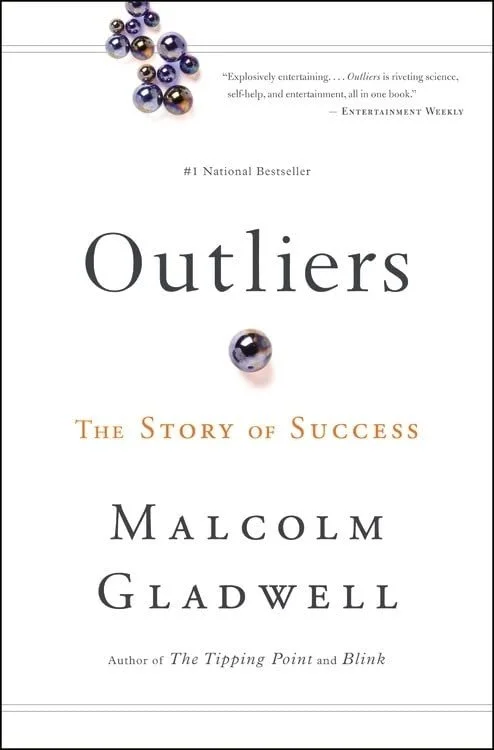
  • Outliers: The Story of Success | Book Review

    Outliers: The Story of Success | Book Review

    Outliers: The Story of Success | Book Review

    Overview Summary

    “Outliers: The Story of Success” by Malcolm Gladwell is an intriguing and thought-provoking examination of the factors that contribute to success. Gladwell, a renowned journalist, and bestselling author, delves deep into the lives of successful individuals and explores the reasons behind their extraordinary achievements.

    The book is divided into two parts. The first part, “Opportunity,” focuses on the role of external factors in making outliers. Gladwell argues that success is not solely determined by innate talent or intelligence but is heavily influenced by opportunities and circumstances that surround a person. He discusses the “10,000-Hour Rule,” asserting that the key to expertise in any field is 10,000 hours of practice. Gladwell also examines the role of birthdates, family background, and cultural legacies in shaping one’s chances of success.

    In the second part, “Legacy,” Gladwell explores the impact of cultural and historical influences on individual success. He investigates how cultural backgrounds, family values, and communication styles can contribute to a person’s achievements. This section includes fascinating case studies, such as the success of Asian students in mathematics and the prevalence of airplane crashes in certain countries.

    “Outliers” is an engaging and well-researched book that challenges conventional wisdom about the nature of success. Gladwell’s storytelling abilities shine through as he weaves anecdotal evidence and scientific research to support his arguments. The book’s central message is powerful and encourages readers to look beyond individual merit and talent when considering success.

    However, some critics argue that Gladwell oversimplifies complex issues and cherry-picks data to support his hypotheses. Additionally, the 10,000-Hour Rule has faced some skepticism, with critics arguing that it may not apply universally.

    Despite these criticisms, “Outliers” remains a compelling and influential book. It encourages readers to reassess their understanding of success and the factors that contribute to it. This book is recommended for anyone interested in psychology, sociology, or personal development and those seeking a fresh perspective on the ingredients of success.

    Personal Thoughts | Highlights

    I found “Outliers” to be a captivating read that shifted my perspective on the nature of success. Gladwell’s storytelling kept me engaged, and the case studies he presented were fascinating. The book sparked my curiosity and encouraged me to dig deeper into the factors contributing to success in various fields.

    1. The 10,000-Hour Rule: Gladwell introduces the concept that one must invest at least 10,000 hours of practice to achieve mastery in any field. He supports this claim with examples like The Beatles, who spent countless hours performing in Hamburg before achieving worldwide fame, and Bill Gates, who spent significant time programming as a teenager before founding Microsoft.

    2. The Matthew Effect: The book discusses the Matthew Effect, which refers to the idea that those with an initial advantage continue to receive more advantages, leading to tremendous success. For instance, the age cutoff for youth sports teams can lead to older children in the same age group having a developmental advantage, which snowballs into more significant opportunities and success.

    3. The Importance of Cultural Legacy: Gladwell emphasizes the role of cultural legacies in shaping people’s success. He explores the connection between the work ethic of rice farmers in Asia and the academic achievements of their descendants, suggesting that cultural values and attitudes can have long-lasting effects on generations.

    4. The Role of Family Background: The book highlights how family background and upbringing can influence an individual’s chances of success. Gladwell uses the example of J. Robert Oppenheimer, who overcame setbacks due to his privileged background and social skills, in contrast to Christopher Langan, a man with a high IQ who struggled due to his less privileged upbringing.

    5. The Ethnic Theory of Plane Crashes: Gladwell examines the role of cultural differences in communication styles to contribute to airplane crashes. He argues that in countries where there is a high level of power distance between pilots and co-pilots, such as Colombia or Korea, communication problems are more likely to result in crashes. After implementing a standardized communication protocol, the number of accidents significantly decreased.

    6. The Value of Meaningful Work: “Outliers” discusses the idea that people find satisfaction and motivation when it meets three criteria: autonomy, complexity, and a direct relationship between effort and reward. Gladwell supports this idea with the example of successful Jewish immigrants in the garment industry in New York City, who achieved success due to the meaningful work they pursued.

    Please share your thoughts below.

  • The Science of Nutrition: How to Fuel Your Body for Optimal Health

    The Science of Nutrition: How to Fuel Your Body for Optimal Health

    The science of nutrition is a complex field that explores how different foods and nutrients interact with the human body and affect our health. Proper nutrition is essential for optimal health, as it provides the body with the necessary fuel to perform its various functions and maintain overall wellbeing.

    Nutrients are substances that our bodies need to function properly, and they come from the food we eat. There are six main types of nutrients: carbohydrates, proteins, fats, vitamins, minerals, and water. Each nutrient plays a specific role in the body, and deficiencies or imbalances in any of them can lead to health problems.

    Carbohydrates are the body’s primary source of energy and are found in foods like bread, pasta, rice, and fruits. Proteins are essential for building and repairing tissues and can be found in foods like meat, fish, eggs, and legumes. Fats provide energy and help absorb certain vitamins, and can be found in foods like nuts, seeds, and oils. Vitamins and minerals are essential for various bodily functions, including bone health, immune function, and energy production. Water is also essential for hydration and helps regulate body temperature.

    To fuel your body for optimal health, it is important to eat a balanced diet that includes a variety of nutrient-dense foods. This means choosing foods that are rich in nutrients but low in calories, such as fruits, vegetables, lean proteins, and whole grains. It is also important to limit your intake of processed and sugary foods, as these can lead to weight gain and other health problems.

    In addition to eating a healthy diet, it is important to stay hydrated by drinking plenty of water throughout the day. It is also important to get regular exercise, as this helps to maintain a healthy weight and supports overall wellbeing.

    Overall, the science of nutrition is a complex field that explores how different nutrients interact with the human body and affect our health. By eating a balanced diet that includes a variety of nutrient-dense foods, staying hydrated, and getting regular exercise, you can fuel your body for optimal health and wellbeing.

  • The Power of Compound Interest: Building Wealth Over Time

    The Power of Compound Interest: Building Wealth Over Time

    The power of compound interest is a financial concept that refers to the ability of an investment to grow exponentially over time, as the interest earned on the investment is reinvested to earn more interest. This means that the longer you invest, the greater the impact of compounding on your wealth.

    To understand how compound interest works, consider the following example: if you invest $10,000 today at a 5% annual interest rate, you will earn $500 in interest after one year. However, if you reinvest that $500 in interest and continue to earn 5% interest on your original investment and your reinvested interest, your investment will grow to $10,500 after one year. If you continue to reinvest your interest each year for 10 years, your investment will grow to $16,386. Without compound interest, your investment would only grow to $15,000 after 10 years.

    The power of compound interest can have a significant impact on your ability to build wealth over time. By starting to invest early and consistently, you can take advantage of the benefits of compounding and maximize your investment returns. This means that even small investments made early on can grow into substantial sums of money over time.

    To take advantage of the power of compound interest, it is important to start investing early and consistently. This means investing a portion of your income regularly, such as through a retirement account or a brokerage account. It is also important to choose investments that offer the potential for long-term growth, such as stocks or mutual funds, and to avoid high fees or unnecessary risks that can erode your investment returns over time.

    In summary, the power of compound interest is a powerful tool for building wealth over time. By starting to invest early and consistently and choosing investments that offer the potential for long-term growth, you can take advantage of the benefits of compounding and maximize your investment returns.

  • The Fundamentals of Personal Finance

    The Fundamentals of Personal Finance

    Personal finance refers to the management of an individual’s finances, including income, expenses, investments, and debt. The fundamentals of personal finance include several key concepts that can help you achieve financial stability and security. Here’s a guide to the fundamentals of personal finance:

    1. Budgeting: Budgeting involves creating a plan for your income and expenses. Start by tracking your income and expenses for a month, then create a budget that allows you to save money and pay off debt.

    2. Saving: Saving is essential for achieving financial goals, such as building an emergency fund, saving for retirement, or making a large purchase. Aim to save at least 10% of your income each month.

    3. Investing: Investing involves putting your money into assets, such as stocks, bonds, or real estate, with the goal of earning a return on your investment. Consider your risk tolerance and investment goals before investing.

    4. Managing debt: Debt can be a major obstacle to financial stability. Make a plan to pay off high-interest debt, such as credit card debt, as quickly as possible. Consider consolidating or refinancing debt to lower interest rates.

    5. Understanding taxes: Taxes can have a significant impact on your finances. Understand how taxes are calculated and consider working with a tax professional to maximize your tax savings.

    6. Planning for retirement: Retirement planning involves creating a plan for your finances in retirement, including saving for retirement and understanding your retirement benefits.

    7. Protecting assets: Protecting your assets involves obtaining insurance to cover potential risks, such as health, auto, and home insurance.

    By understanding and implementing these fundamental concepts of personal finance, you can achieve financial stability and security. Remember to regularly review and adjust your financial plan as your circumstances change.

  • Healthy Habits: A Guide to Better Living

    Healthy Habits: A Guide to Better Living

    Healthy habits are essential for maintaining good physical, mental, and emotional health. Adopting healthy habits can help you feel more energized, reduce your risk of developing chronic diseases, and improve your overall quality of life. Here’s a guide to some healthy habits that you can adopt for better living:

    1. Eat a healthy, balanced diet: A healthy diet includes plenty of fruits, vegetables, whole grains, lean proteins, and healthy fats. Avoid processed foods, sugary drinks, and excessive amounts of salt and saturated fat.

    2. Exercise regularly: Exercise is essential for maintaining good physical health. Aim for at least 30 minutes of moderate-intensity exercise most days of the week.

    3. Get enough sleep: Sleep is crucial for physical and mental health. Aim for 7-8 hours of sleep per night.

    4. Manage stress: Stress can have a negative impact on your health. Learn to manage stress through relaxation techniques, such as meditation, yoga, or deep breathing exercises.

    5. Stay hydrated: Drink plenty of water throughout the day to stay hydrated.

    6. Practice good hygiene: Wash your hands regularly, cover your mouth and nose when coughing or sneezing, and avoid touching your face.

    7. Maintain social connections: Social connections are essential for good mental health. Make time for friends and family, and participate in social activities.

    8. Limit alcohol and drug use: Excessive alcohol and drug use can have a negative impact on your health. Limit your intake and avoid using drugs altogether.

    By adopting these healthy habits, you can improve your overall health and well-being. Remember to make small, gradual changes and be patient with yourself as you work towards better living.

  • Strategies for Success in an Interconnected World

    Strategies for Success in an Interconnected World

    In today’s globalized economy, businesses and individuals need to be equipped with a range of skills and strategies to succeed in an interconnected world. Here are some strategies for success:

    1. Cultural Competency: In an interconnected world, it’s important to have an understanding and appreciation for different cultures. Being culturally competent means having an awareness of cultural differences and adapting your communication and behavior accordingly. This can help to build trust and facilitate better collaboration with individuals from different backgrounds.

    2. Technology Literacy: Technology has transformed the way we work and communicate, and it’s essential to have a basic understanding of the latest tools and platforms. From video conferencing to social media, being technologically literate can help you to work more efficiently and stay connected with colleagues and customers around the world.

    3. Collaboration: In an interconnected world, working collaboratively with others is essential. Collaboration can help to foster creativity, increase productivity, and solve complex problems. It’s important to be able to work effectively in teams, whether they are located in the same office or in different parts of the world.

    4. Flexibility: In a constantly changing and interconnected world, it’s important to be flexible and adaptable. This means being open to new ideas, taking on new challenges, and being willing to change course when necessary. By staying flexible and responsive, you can better navigate the challenges and opportunities of an interconnected world.

    5. Continuous Learning: To stay competitive in an interconnected world, it’s important to continuously learn and develop new skills. This can include formal training, attending conferences and seminars, or simply seeking out new experiences and challenges. By investing in your own learning and development, you can stay ahead of the curve and position yourself for success in an interconnected world.

    These are just a few strategies for success in an interconnected world. By being culturally competent, technologically literate, collaborative, flexible, and committed to continuous learning, you can thrive in today’s globalized economy.

  • Gut Health

    Gut Health

    Gut health refers to the overall health and function of the digestive system, which includes the stomach, small and large intestines, and the associated organs and tissues. The gut is home to a complex ecosystem of microorganisms, including bacteria, viruses, and fungi, which are collectively known as the gut microbiome. The health of this microbiome is critical to the overall health of the body, as it plays a key role in digestion, immune function, and even mental health.

    One way to maintain good gut health is to consume a healthy and balanced diet, rich in fiber, fruits, vegetables, and lean protein. This can help to promote the growth of beneficial bacteria in the gut, while minimizing the growth of harmful bacteria. Additionally, staying hydrated, getting enough sleep, and reducing stress levels can also help to support gut health.

    Certain factors can negatively impact gut health, including a diet high in processed foods and sugar, the overuse of antibiotics, and chronic stress. These can disrupt the balance of bacteria in the gut, leading to inflammation, digestive problems, and even chronic disease.

    If you’re experiencing digestive issues or other symptoms related to gut health, it’s important to talk to a healthcare provider. They may recommend dietary changes, probiotics, or other interventions to help improve gut health and overall well-being.

  • Understanding the Impact of the Pandemic on the Global Economy

    Understanding the Impact of the Pandemic on the Global Economy

    The COVID-19 pandemic has had a significant impact on the global economy, with many industries and businesses experiencing unprecedented disruption and uncertainty. The pandemic has affected different regions and countries in different ways, and its economic impact is likely to be felt for years to come.

    One of the primary ways that the pandemic has impacted the global economy is through the disruption of supply chains. With many countries implementing lockdowns and restrictions on travel and movement, the ability to produce and distribute goods and services has been severely affected. This has led to shortages of essential goods and services, higher prices for consumers, and decreased economic activity in many industries.

    The pandemic has also had a significant impact on employment, with many businesses forced to close or reduce their operations. This has led to high levels of unemployment and financial insecurity for many individuals and families. In addition, the pandemic has disproportionately affected low-income and marginalized communities, exacerbating existing inequalities in the global economy.

    Government responses to the pandemic have also had a significant impact on the global economy. Many countries have implemented stimulus packages and financial support measures to help businesses and individuals weather the economic impact of the pandemic. However, the long-term impact of these measures on national debt and the global economy is uncertain.

    The pandemic has also highlighted the interconnectedness of the global economy and the importance of international cooperation and collaboration. The pandemic has affected different countries and regions in different ways, and the economic impact of the pandemic will continue to be felt unevenly across the globe. This highlights the need for global cooperation and collaboration to address the economic and social impacts of the pandemic and to build a more resilient and sustainable global economy for the future.

    In summary, the COVID-19 pandemic has had a significant and far-reaching impact on the global economy, affecting supply chains, employment, and government responses, and highlighting the need for global cooperation and collaboration to address the economic and social impacts of the pandemic.

    Regenerate response

  • High-intensity interval training

    High-intensity interval training

    High-Intensity Interval Training (HIIT) is a type of exercise that involves short bursts of intense activity followed by periods of rest or low-intensity exercise. HIIT has gained popularity in recent years due to its potential to provide numerous health benefits in a relatively short amount of time.

    During a HIIT workout, you would perform short, intense bursts of exercise, such as sprints or jumping jacks, for a set amount of time, typically around 20-30 seconds. This is followed by a period of rest or low-intensity exercise, such as walking or jogging, for a similar amount of time. This cycle is then repeated for several rounds, typically around 4-6, although the number can vary depending on the specific workout.

    One of the main benefits of HIIT is that it can be very time-efficient. A typical HIIT workout can be completed in as little as 20-30 minutes, making it a great option for people who are short on time. Despite its short duration, HIIT can provide a range of health benefits, including improved cardiovascular fitness, increased muscle strength and endurance, and improved insulin sensitivity.

    Another benefit of HIIT is that it can help you burn more calories in a shorter amount of time compared to traditional steady-state cardio exercise. This is because HIIT workouts often involve a higher intensity level, which can increase your heart rate and metabolic rate, leading to more calories burned both during and after the workout.

    Overall, HIIT is a challenging but effective type of exercise that can provide numerous health benefits. If you are interested in incorporating HIIT into your fitness routine, it is important to start slowly and gradually increase the intensity and duration of your workouts over time. It is also important to consult with a healthcare professional before beginning any new exercise program, especially if you have any underlying health conditions.