Physical fitness and mental health are closely linked. Regular exercise has been shown to have a positive impact on mental health and well-being, reducing the risk of depression and anxiety, improving mood, and promoting feelings of self-esteem and confidence.
Exercise has been shown to increase the production of endorphins, which are natural mood elevators and painkillers. These chemicals help to reduce feelings of stress and anxiety, and can promote a sense of well-being and relaxation.
In addition to the physiological effects of exercise on the brain, regular physical activity can also provide a sense of accomplishment and help build social connections, which are important for overall mental health.
On the other hand, poor mental health can also have a negative impact on physical fitness. Mental health problems, such as depression and anxiety, can make it difficult to find the motivation to exercise and maintain a regular fitness routine. In some cases, mental health problems can also lead to unhealthy behaviors, such as overeating or substance abuse, which can negatively impact physical health and fitness.
It’s important to note that fitness and mental health are not just about physical activity and exercise. Other factors, such as diet, sleep, and stress management, can also have a significant impact on both physical and mental health.
Overall, the powerful connection between mental health and fitness highlights the importance of taking a holistic approach to health and wellness. By focusing on both physical and mental health, individuals can improve their overall quality of life, reduce the risk of chronic disease, and promote a sense of well-being and vitality.
Cryptocurrency investments have become increasingly popular in recent years, but they are also associated with significant risks. One way to explore the potential benefits and risks of investing in cryptocurrency is through an options analysis.
An options analysis is a method of evaluating the potential outcomes of different investment strategies based on various scenarios. In the context of cryptocurrency investments, an options analysis can help investors understand the potential risks and rewards of investing in different cryptocurrencies, and how these investments may perform under different market conditions.
One potential benefit of investing in cryptocurrency is the potential for high returns. Cryptocurrencies can be highly volatile, which means that their value can increase rapidly, providing investors with significant profits. However, this high volatility also means that cryptocurrency investments are associated with significant risks, including the potential for significant losses.
Another potential benefit of investing in cryptocurrency is the relative anonymity and security of these investments. Cryptocurrency transactions are encrypted and decentralized, which makes them more secure and less susceptible to fraud than traditional investments. However, this also means that cryptocurrency investments may be more susceptible to hacking and cyber attacks.
Investors can use an options analysis to evaluate different investment strategies, such as buying and holding cryptocurrency, or trading cryptocurrency on an exchange. An options analysis can help investors evaluate the potential benefits and risks of each strategy based on various market conditions, such as changes in the price of the cryptocurrency, changes in demand for the cryptocurrency, and changes in the regulatory environment.
However, it’s important to note that an options analysis is just one tool that investors can use to evaluate cryptocurrency investments. Other factors, such as the investor’s risk tolerance, financial goals, and investment experience, should also be taken into account when evaluating the potential benefits and risks of investing in cryptocurrency.
In summary, an options analysis can be a useful tool for exploring the potential benefits and risks of investing in cryptocurrency. By evaluating different investment strategies based on various scenarios, investors can gain a better understanding of the potential risks and rewards associated with cryptocurrency investments and make more informed investment decisions.
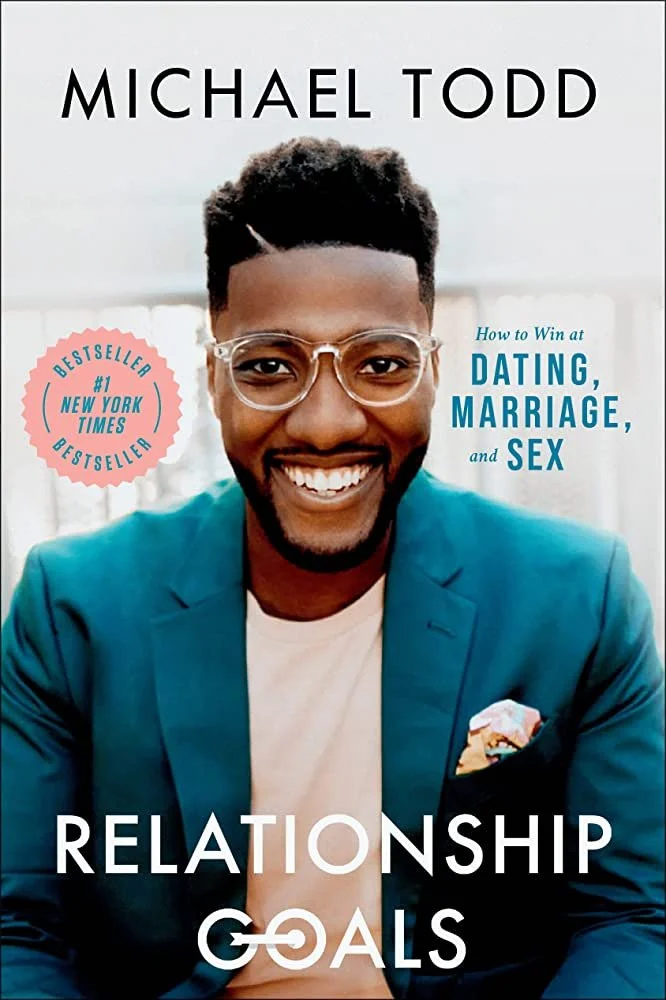
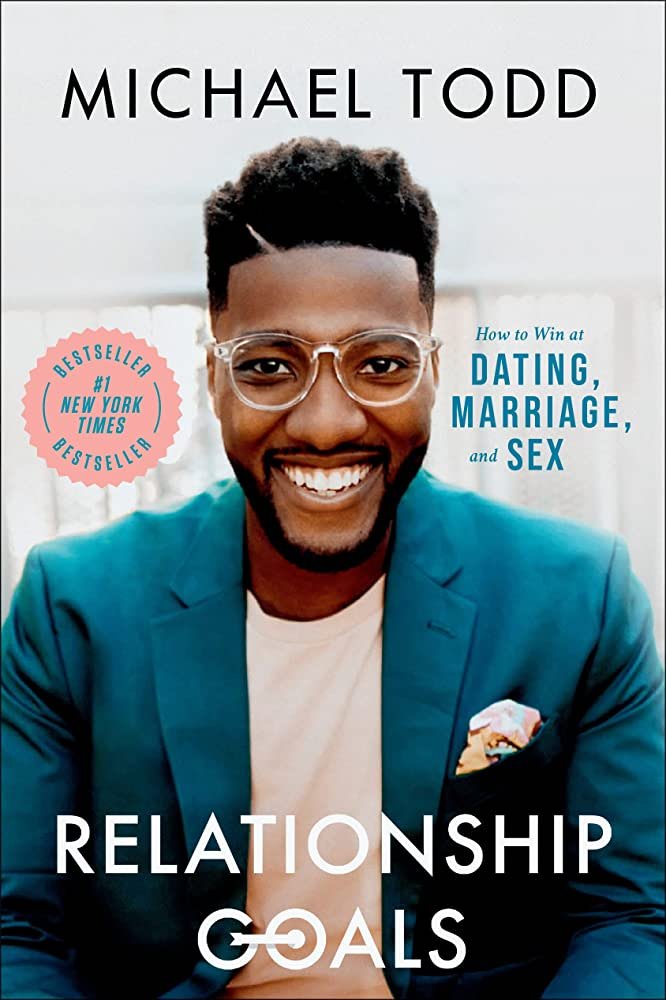
Finding True Love Through the Lens of “Relationship Goals” by Michael Todd
Hello, Cannon Movement Fam! Today, I am thrilled to share my thoughts on Michael Todd’s enlightening book, “Relationship Goals: How to Win at Dating, Marriage, and Sex.” This insightful book takes us on a journey through the complexities of modern relationships, offering guidance and valuable lessons that can help us foster stronger and more meaningful connections with our significant others.
Overview
In “Relationship Goals,” Michael Todd, a renowned pastor and relationship expert, draws from his personal experiences and vast knowledge to help readers navigate the unpredictable world of dating, marriage, and sex. The book is a comprehensive guide that covers the various stages of relationships and provides practical advice on building a successful, long-lasting partnership.
Structure and Content
Todd’s writing style is engaging and accessible, making it a pleasure to read. The book is divided into several chapters, each focusing on a different aspect of relationships. Some of the key topics covered include communication, trust, commitment, boundaries, and personal growth. Throughout the book, Todd uses real-life examples, case studies, and anecdotes to illustrate his points, making the material relatable and easy to understand.
Strengths
One of the greatest strengths of “Relationship Goals” lies in its emphasis on self-awareness and personal growth. Todd encourages readers to examine their own beliefs and expectations about relationships, as well as their past experiences, to understand how they may be influencing their current relationship dynamics. This focus on introspection and self-improvement allows readers to identify areas of improvement, promoting healthier and more fulfilling relationships.
Another standout feature of the book is Todd’s holistic approach to relationships. He addresses not only the emotional and psychological aspects of love but also the physical and spiritual dimensions, providing a well-rounded perspective that caters to readers from diverse backgrounds.
Finally, the book is filled with practical advice and actionable tips that readers can apply to their own relationships. From setting boundaries and fostering open communication to nurturing trust and learning to forgive, “Relationship Goals” offers a wealth of information to help readers achieve their relationship goals.
Limitations
While “Relationship Goals” is an excellent resource, it is not without its limitations. Some readers may find that the book’s religious undertones are not in line with their personal beliefs, which could limit its appeal. Additionally, as with any relationship advice, some of the suggestions may not apply to every individual or relationship. It’s important to remember that each relationship is unique, and what works for one couple may not work for another.
Conclusion
“Relationship Goals” by Michael Todd is a thought-provoking and valuable guide for anyone seeking to improve their romantic relationships. It offers a comprehensive look at the various aspects of love, providing practical advice and actionable tips that can help readers achieve their relationship goals. Despite its limitations, this book is a must-read for anyone who desires a deeper understanding of love and partnership. So, if you’re ready to take your relationship to new heights, don’t hesitate to grab a copy of “Relationship Goals” and embark on a transformative journey towards lasting love.
Highlights | Personal thoughts
Emphasis on self-awareness and personal growth: “Relationship Goals” encourages readers to reflect on their own beliefs, expectations, and past experiences to better understand how they shape their current relationships. By focusing on self-improvement, readers can work towards healthier and more fulfilling partnerships.
Holistic approach to relationships: Todd provides a well-rounded perspective on love by addressing emotional, psychological, physical, and spiritual aspects of relationships. This comprehensive approach helps readers explore and strengthen their connections on multiple levels.
Communication and trust-building: The book underscores the importance of open, honest communication and trust-building in sustaining a strong relationship. Todd offers practical tips for fostering effective communication, such as active listening, expressing feelings openly, and showing empathy, which can help couples build a solid foundation of trust.
Setting boundaries and forgiveness: “Relationship Goals” highlights the importance of establishing and respecting boundaries in relationships, as well as the power of forgiveness. By learning to set healthy boundaries and practicing forgiveness, readers can cultivate more harmonious and long-lasting partnerships.
Please comment below your thoughts and any recommendations on new reads.
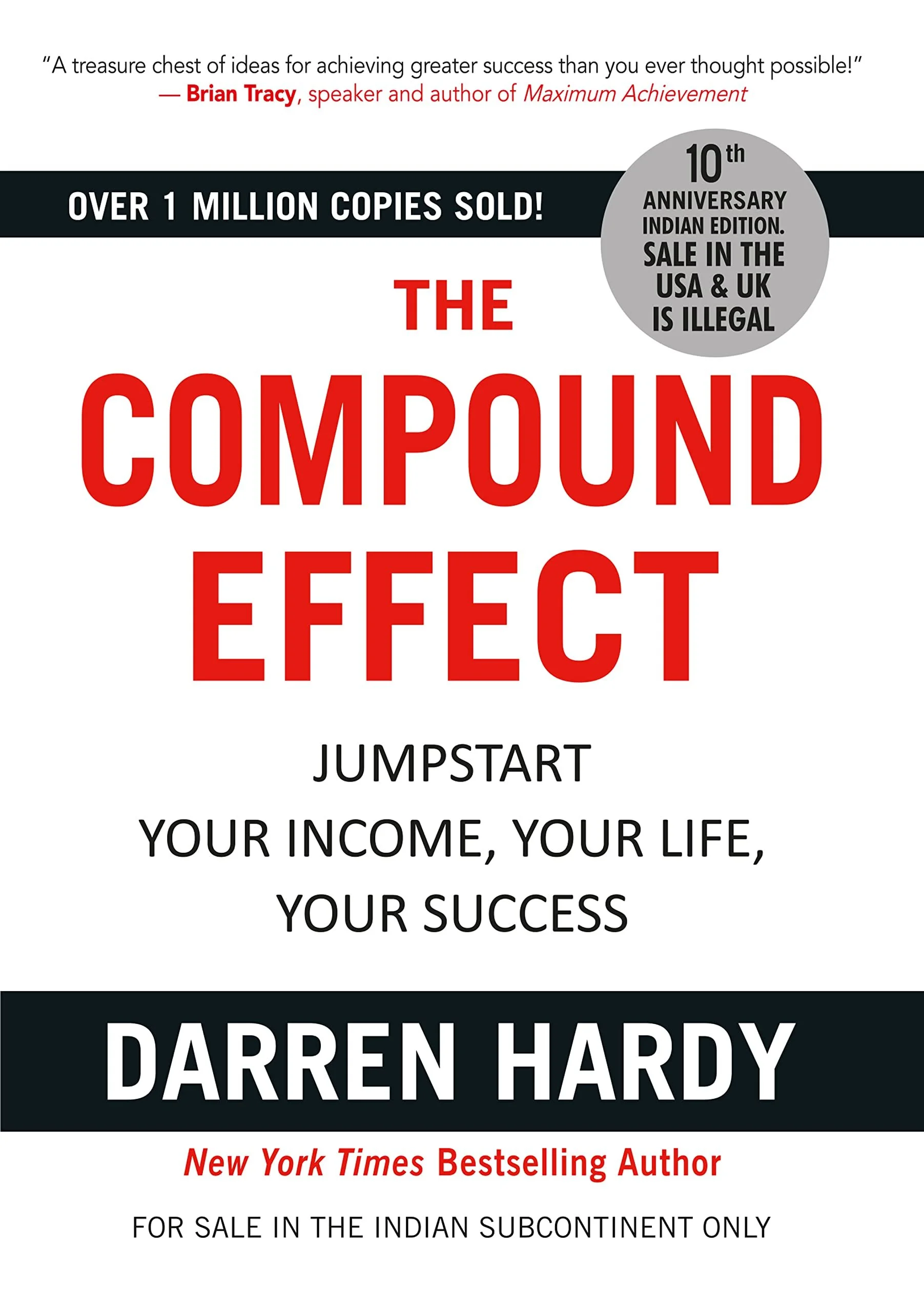
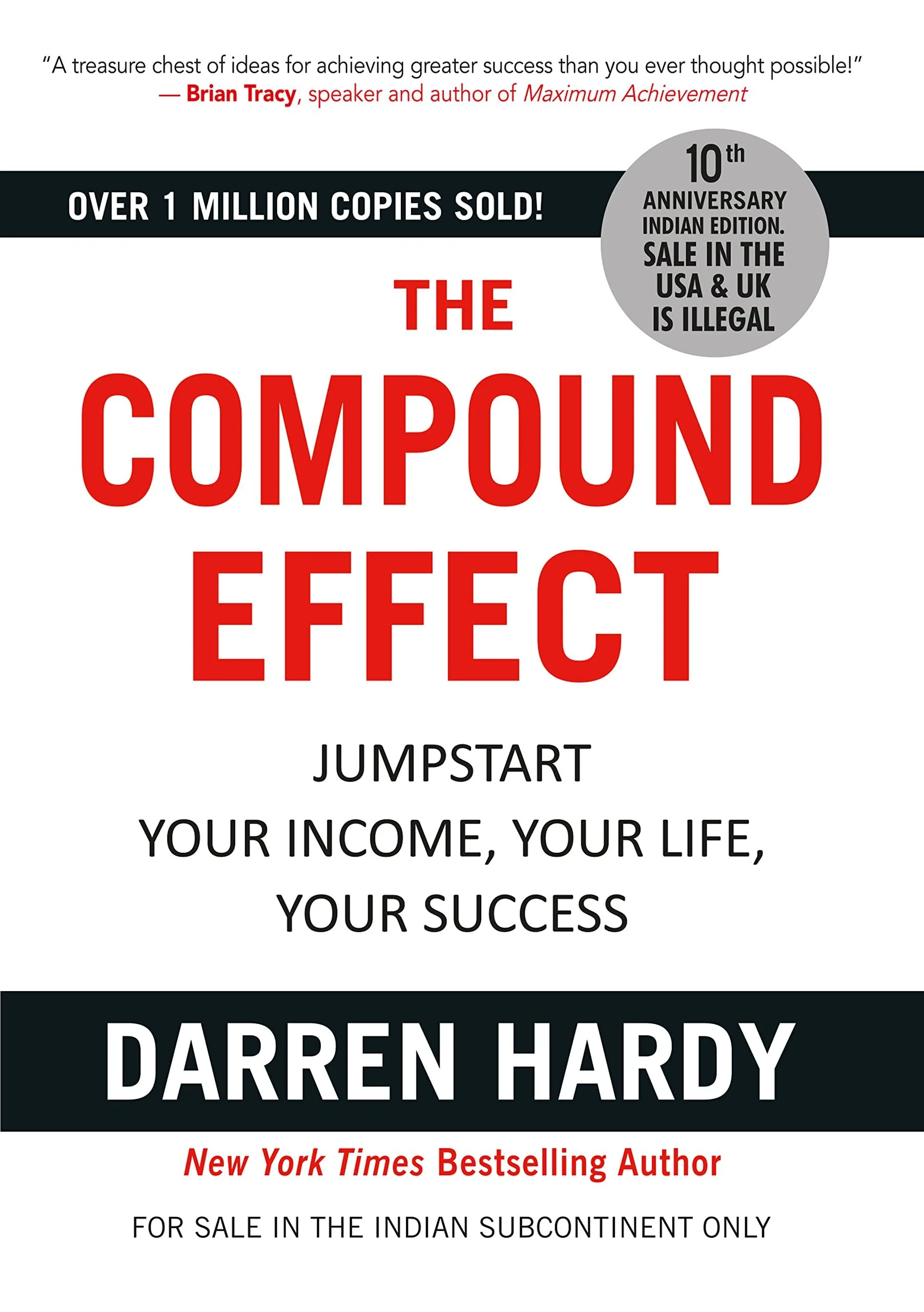
The Compound Effect by Darren Hardy is a self-help book that provides readers with the tools to achieve success in all areas of life. The premise of the book is that small, consistent actions taken over time can lead to significant results. The Compound Effect is a powerful force that can work for or against us, depending on the choices we make.
The book is divided into three sections: The Compound Effect Explained, The Compound Effect Applied, and The Compound Effect Strategies. In the first section, Hardy explains what the Compound Effect is and how it works. He uses examples from his own life and the lives of others to illustrate how small actions taken consistently over time can lead to massive success.
In the second section, Hardy applies the principles of the Compound Effect to various areas of life, including health, relationships, finances, and career. He provides practical advice on how to make small changes in each of these areas that can lead to significant improvements.
In the third section, Hardy provides readers with strategies for implementing the Compound Effect in their own lives. He emphasizes the importance of setting goals, tracking progress, and maintaining accountability. He also encourages readers to surround themselves with positive influences and to be willing to make sacrifices in the short term for long-term success.
One of the strengths of The Compound Effect is its practicality. Hardy provides readers with concrete examples of how to implement the principles he outlines in the book. He also emphasizes the importance of taking action and making changes in one’s life, rather than simply reading and learning about the principles of the Compound Effect.
Another strength of the book is its accessibility. Hardy writes in a clear, straightforward manner that is easy to understand. He uses anecdotes and real-life examples to make the concepts he discusses relatable and understandable.
One potential weakness of the book is its focus on individual achievement. While Hardy acknowledges the importance of relationships and community in our lives, much of the book is focused on individual success. This may not resonate with readers who place a greater emphasis on collective goals and achievements.
Overall, The Compound Effect is an excellent self-help book that provides readers with practical tools for achieving success in all areas of life. By emphasizing the importance of small, consistent actions taken over time, Hardy provides readers with a powerful framework for achieving their goals and realizing their full potential. Whether you are looking to improve your health, your relationships, your finances, or your career, The Compound Effect is a must-read.
My Personal Thoughts | Highlights
As an avid reader, I found The Compound Effect by Darren Hardy to be a highly insightful and practical book. I appreciate the author’s emphasis on the importance of taking small, consistent actions over time to achieve success in all areas of life.
The real-life examples and practical strategies provided in the book make it easy to apply the principles to my own life. I also appreciate the author’s accessible writing style, which makes the concepts easy to understand and apply. Overall, I highly recommend The Compound Effect to anyone looking to achieve their goals and realize their full potential.
The Compound Effect is always working: The book emphasizes that every small action we take in our lives, positive or negative, compounds over time to create our current situation. This means that we need to be intentional about the small actions we take every day.
Goal setting is essential: The author emphasizes the importance of setting clear, specific goals in order to achieve success. He also provides practical tips for setting and achieving goals.
Consistency is key: The book stresses that taking consistent action toward our goals is more important than occasional bursts of effort. By committing to small, consistent actions every day, we can achieve significant results over time.
Tracking progress is essential: The author recommends tracking our progress toward our goals in order to stay motivated and on track. By measuring our progress, we can see the impact of our actions over time.
Positive influences are important: The book emphasizes the importance of surrounding ourselves with positive people who support our goals and encourage us to be our best selves.
Mindset matters: The author emphasizes the importance of developing a growth mindset, which focuses on learning and improvement rather than fixed abilities. By adopting a growth mindset, we can overcome obstacles and achieve our goals.
Please share your comments or thoughts on this book below.
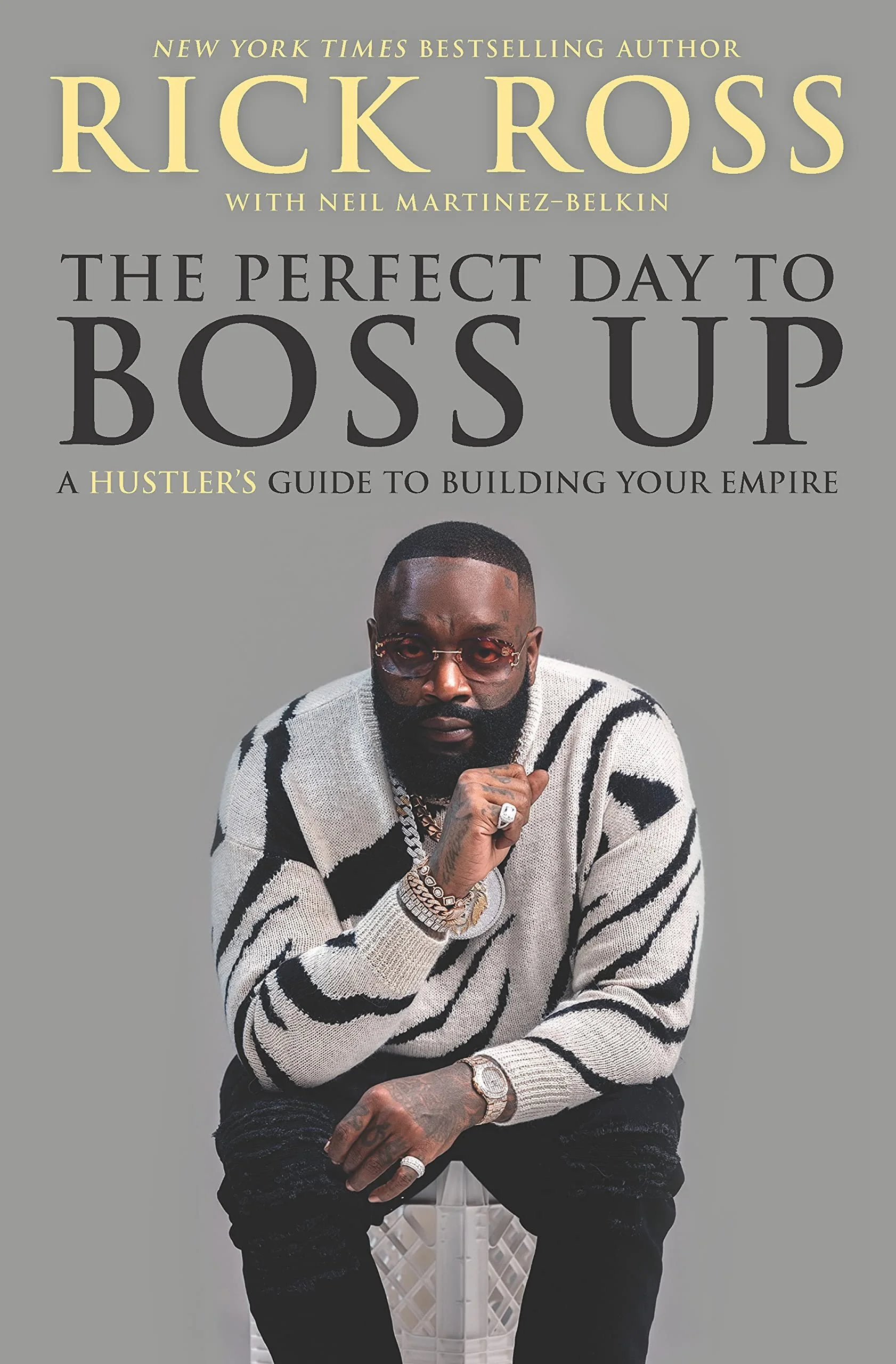
Rick Ross, the famous rapper and entrepreneur, recently released his new book titled “The Perfect Day to Boss Up: A Hustler’s Guide to Building Your Empire.” The book is an inspirational guide for anyone looking to build their empire and achieve success. In the book, Rick Ross shares his personal journey of overcoming obstacles and achieving success, and provides practical advice on how to take control of your life and become a boss.
The Perfect Day to Boss Up is a book that empowers people to take control of their lives and become the best version of themselves. It is a guide for those who are tired of settling for mediocrity and are ready to step up and take charge of their lives. Ross shares his own struggles and triumphs and provides insights on how to overcome obstacles and build a successful life.
The book is divided into two parts: “The Rise to Boss Up” and “The Game of Boss Up.” In the first part, Ross discusses the importance of having a clear vision, setting goals, and taking action to achieve those goals. He emphasizes the importance of developing a strong work ethic and surrounding oneself with positive influences.
In the second part, Ross provides practical advice on how to build a successful business and create wealth. He discusses the importance of branding, marketing, and networking, and provides tips on how to create a strong team and manage finances effectively. He also emphasizes the importance of giving back to the community and using one’s success to make a positive impact on the world.
Overall, The Perfect Day to Boss Up is a powerful guide for anyone looking to take control of their life and achieve success. Ross’s personal story and practical advice provide inspiration and motivation for readers to pursue their dreams and become the best version of themselves. The book is a must-read for anyone who wants to be a boss and build their empire.
My Personal Thoughts | Highlights
One of the most significant takeaways from “The Perfect Day to Boss Up” is Rick Ross’s emphasis on the importance of mindset in achieving success. He stresses that having a strong, positive mindset is crucial for overcoming obstacles and achieving one’s goals. He explains that the journey to success is not always easy, but with the right mindset and a commitment to hard work, anyone can achieve their dreams. By focusing on mindset as a key factor in success, Ross provides readers with a valuable tool for overcoming challenges and achieving their goals. Here are a few other highlights below.
Success starts with having a clear vision and setting achievable goals.
Building a strong work ethic is essential to achieving success and becoming a boss.
Surrounding yourself with positive influences is crucial for staying motivated and focused.
Branding and marketing are key components of building a successful business and creating wealth.
Networking is essential for creating opportunities and connecting with others in your industry.
Creating a strong team is important for achieving success and overcoming obstacles.
Managing finances effectively is critical for building a successful business and creating wealth.
Giving back to the community is a way to use your success to make a positive impact on the world.
Overcoming obstacles and persevering through challenges is essential to achieving success.
Taking control of your life and becoming the best version of yourself is the ultimate goal of becoming a boss.
Please share your thoughts on this book below if you have already read it or if you’d like to make suggestions on other books I should read.
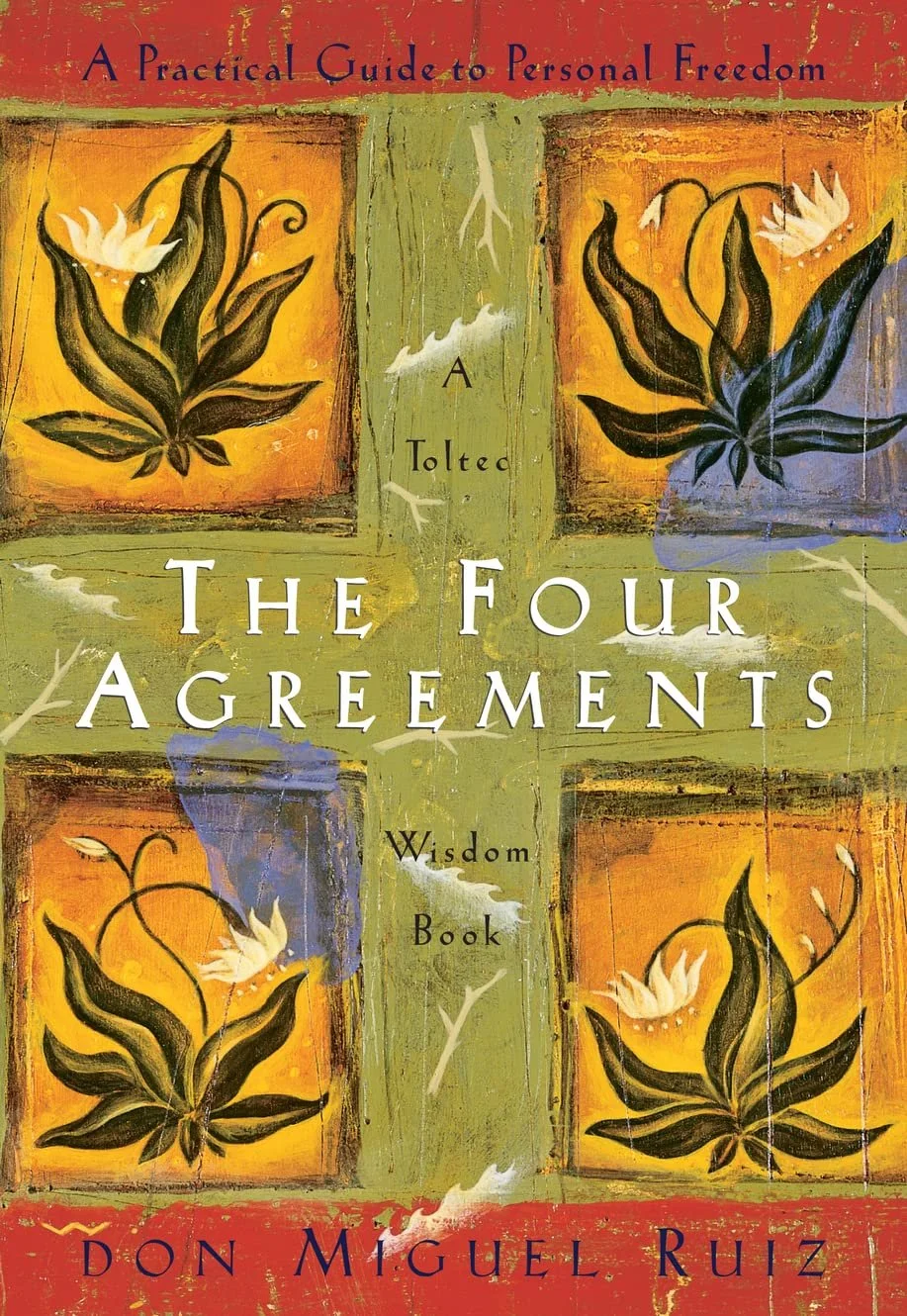
The Four Agreements is a book written by Don Miguel Ruiz that offers a simple yet powerful code of conduct to achieve personal freedom and live a life full of joy and fulfillment. The book is based on ancient Toltec wisdom and presents a practical guide for transforming one’s life by adopting four agreements.
The first agreement is to be impeccable with your word. This agreement emphasizes the importance of using language in a positive way, free from gossip, lies, and negativity. The words we use have the power to create or destroy, and being mindful of our language can have a significant impact on our relationships, our self-esteem, and our ability to manifest our desires.
The second agreement is not to take anything personally. This agreement encourages us to stop internalizing the opinions and actions of others. We often make the mistake of assuming that everything others say or do is about us, when in reality it is a reflection of their own beliefs and experiences. By not taking things personally, we free ourselves from needless suffering and emotional pain.
The third agreement is not to make assumptions. This agreement reminds us that making assumptions about people or situations is a major source of misunderstandings and conflicts. By seeking clarification and being open to different perspectives, we can avoid unnecessary drama and promote healthy communication.
The fourth and final agreement is to always do your best. This agreement acknowledges that our best efforts may vary from day to day, but as long as we give it our all, we can feel proud of ourselves and be free from regret. By doing our best, we tap into our full potential and live a life of purpose and meaning.
Overall, The Four Agreements is a compelling book that challenges readers to let go of limiting beliefs and behaviors, and adopt a new way of living based on honesty, respect, and personal responsibility. The agreements are simple but not easy, and require a daily practice of self-reflection, mindfulness, and compassion. By committing to these agreements, we can transform our lives, find inner peace, and create a world full of love and harmony.
My Personal Thoughts | Highlights
This is the second book by Don Miguel Ruiz that I’ve reviewed which should tell you a lot about what I think of his overall writing style. He understands the dynamites of how to breakdown a topic into the simplest digestible form that any one can grasp. The Four Agreements is a “thinkers” book and what I mean by that is when you read it once you’ll understand it on a certain level. Then when you’ve read it the second and third time you’ll think of the agreements in a different way. While reading I found myself analyzing my life back to my earliest memories and the life I’ve shaped around myself. I evaluated every decision I felt I intentionally made and the ones that were more so subconsciously done through the world’s conditioning. I’ll give a few highlights that stood out below.
“Be impeccable with your word” – Use language in a positive way, free from gossip and negativity.
“Don’t take anything personally” – Don’t internalize the opinions and actions of others.
“Don’t make assumptions” – Seek clarification and be open to different perspectives.
“Always do your best” – Tap into your full potential and live a life of purpose and meaning.
“Happiness is a choice” – We have the power to choose how we feel and react to the world around us.
“Everything is possible” – We are limited only by the beliefs we hold about ourselves and the world.
“Forgive yourself and others” – Let go of past grievances and move forward with love and compassion.
“Live in the present moment” – Don’t dwell on the past or worry about the future.
“Embrace change” – Change is a natural part of life and can lead to growth and transformation.
“You are worthy of love and respect” – Treat yourself with kindness and respect, and expect the same from others.
Please share your thoughts on this book below and what resonated with you. I’d love to discuss them!
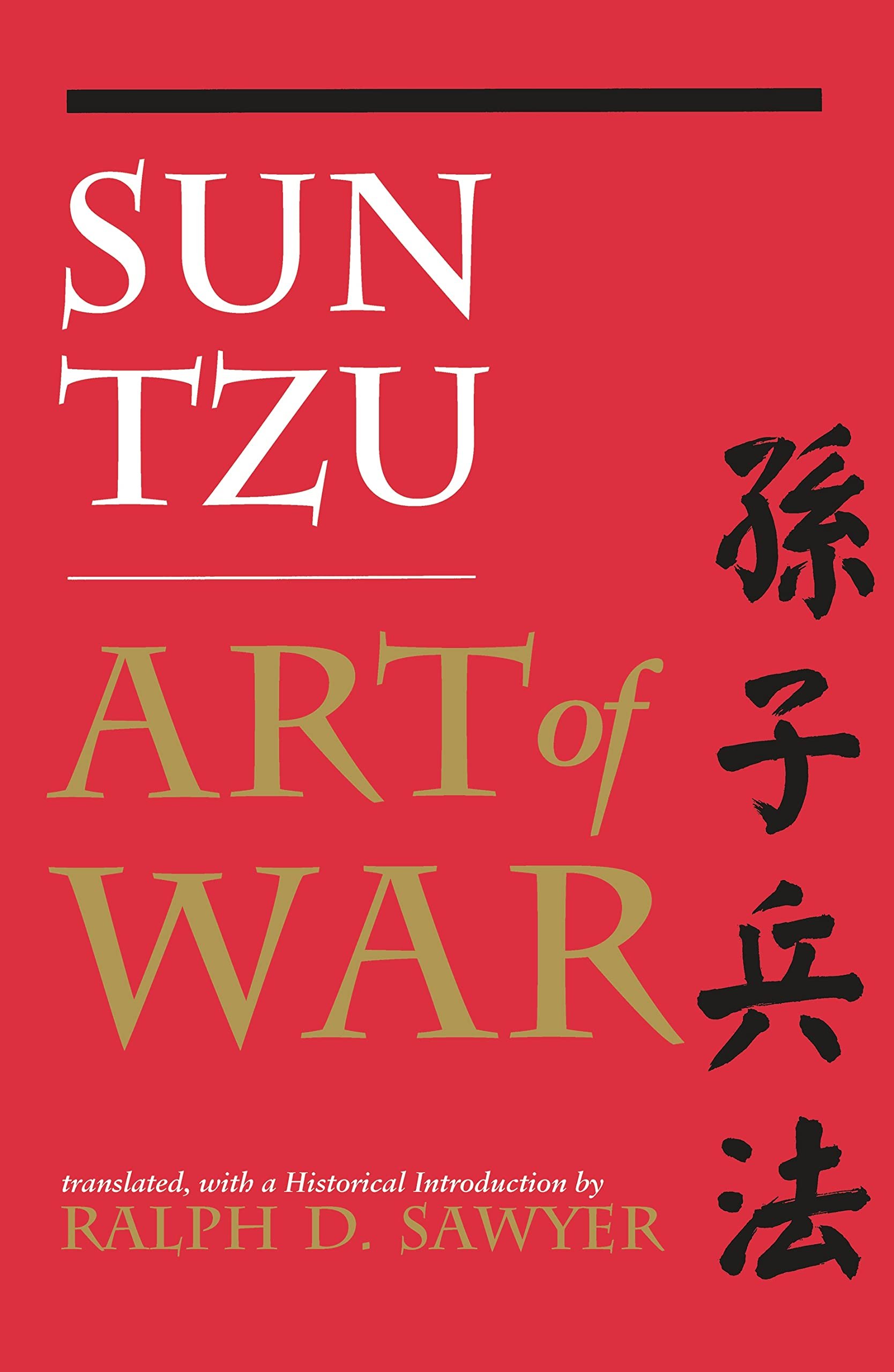
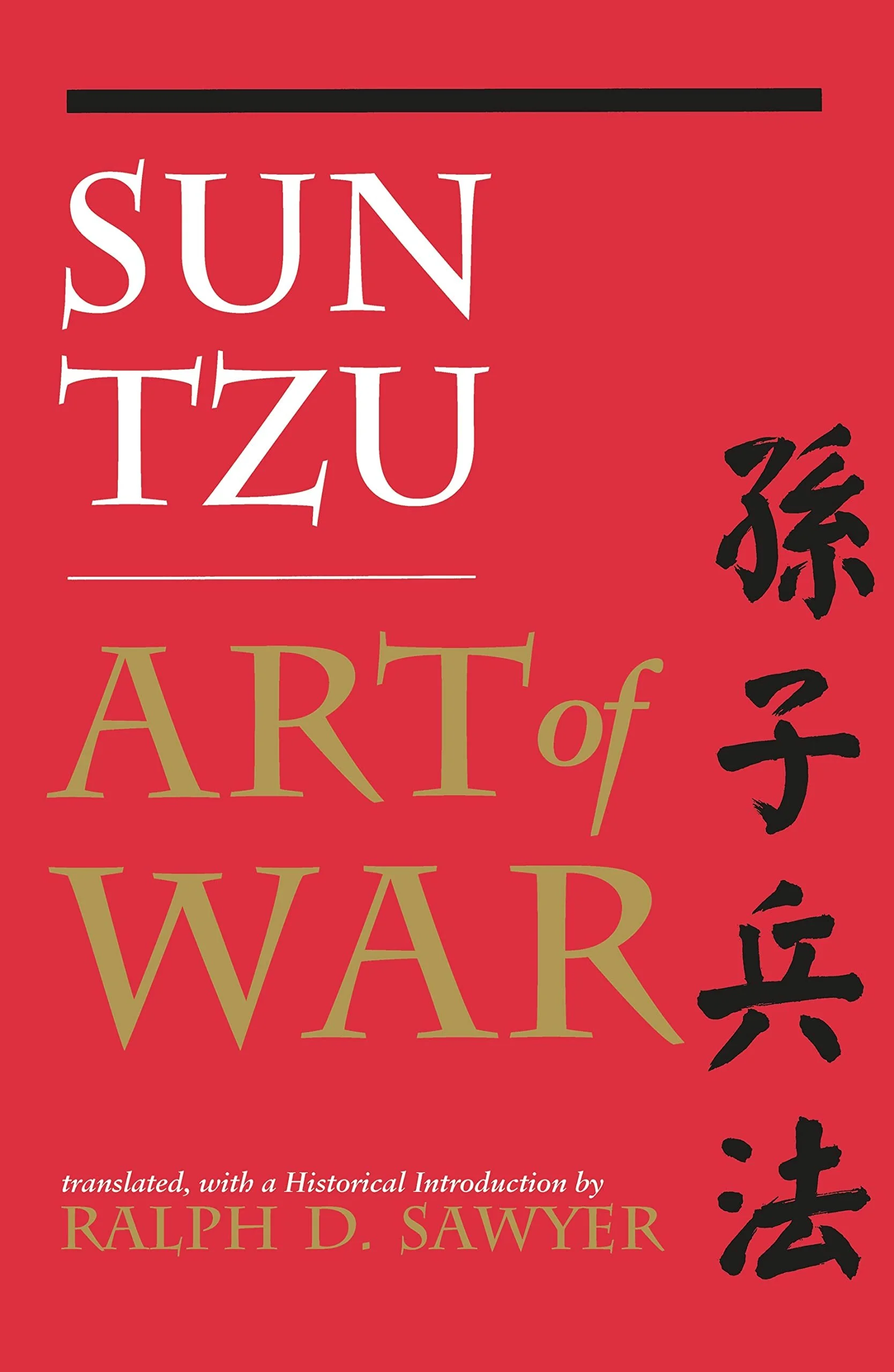
The Art of War is a timeless and classic work on strategy, written by Sun Tzu, a Chinese military general, strategist and philosopher. The book was written over 2,500 years ago, yet its teachings continue to be relevant in today’s world, not only in military strategy, but also in politics, business, and even personal relationships.
The Art of War is a comprehensive guide to warfare, containing 13 chapters that cover various aspects of strategy, such as the use of spies, terrain, and timing. Each chapter is packed with insights and practical advice, designed to help leaders make effective decisions in the heat of battle.
One of the central themes of The Art of War is the importance of flexibility and adaptability in the face of changing circumstances. Sun Tzu argues that the most successful military leaders are those who can quickly adapt to changing conditions, rather than sticking rigidly to a preconceived plan. This is why he emphasizes the importance of understanding the enemy, and the need to constantly assess the situation on the ground.
Another key theme of The Art of War is the idea of “winning without fighting”. Sun Tzu believed that the ultimate goal of any military campaign was to defeat the enemy without having to engage in direct combat. He believed that the most successful leaders were those who were able to find ways to exploit their enemy’s weaknesses, rather than relying solely on brute force.
In business, The Art of War can be used as a guide to developing effective strategies and making sound decisions. For example, its teachings on the importance of flexibility and adaptability can be applied to the fast-paced and constantly changing world of commerce. Similarly, its emphasis on understanding the enemy and exploiting weaknesses can be applied to the cutthroat competition of the business world.
In conclusion, The Art of War is a timeless work that continues to inspire and inform leaders across a wide range of fields. Its teachings on strategy, flexibility, and adaptability have made it a classic in the annals of military and strategic thought, and its relevance continues to this day. Whether you are a military commander, a business leader, or just looking to improve your decision-making skills, The Art of War is an essential read.
Personal Thoughts | Highlights
I’ve actually read this book before and I felt it’s one of those books you don’t just read once. It’s such a quick read maybe less than an hour and a half max. The Art of War emphasizes the importance of flexibility and adaptability in strategy, understanding the enemy, and the idea of winning without fighting. It highlights the importance of preparation and understanding the situation, as well as the need to think creatively and outside the box. Here are a few quick highlights or takeaways:
Flexibility and adaptability: The Art of War emphasizes the importance of being flexible and adaptable in the face of changing circumstances. Sun Tzu believed that the most successful leaders are those who can quickly adjust their strategies to changing conditions. I felt this can be a strength in the majority of situations.
Understanding the enemy: The book stresses the importance of understanding the enemy and their strengths and weaknesses.
Winning without fighting: Sun Tzu believed that the ultimate goal of any military campaign was to defeat the enemy without having to engage in direct combat. He encouraged leaders to find ways to exploit their enemy’s weaknesses rather than relying solely on brute force.
Preparation and understanding the situation: The Art of War stresses the importance of careful preparation and a thorough understanding of the situation. Sun Tzu believed that leaders should assess the terrain, understand their own strengths and weaknesses, and be prepared for any eventuality.
Creative thinking: The book encourages leaders to think creatively and outside the box. Sun Tzu believed that the most effective strategies are often unconventional and that the most successful leaders are willing to take risks and try new things.
Discipline and organization: Sun Tzu believed that a well-organized and disciplined army was the key to victory, and that the same principles apply to any organization, whether it be a military unit, a business, or a sports team.
Timing: Sun Tzu believed that timing was critical in military strategy, and that the best leaders were those who could choose the right moment to act. He encouraged leaders to carefully consider the timing of their actions and to make decisions based on the most favorable conditions.1.
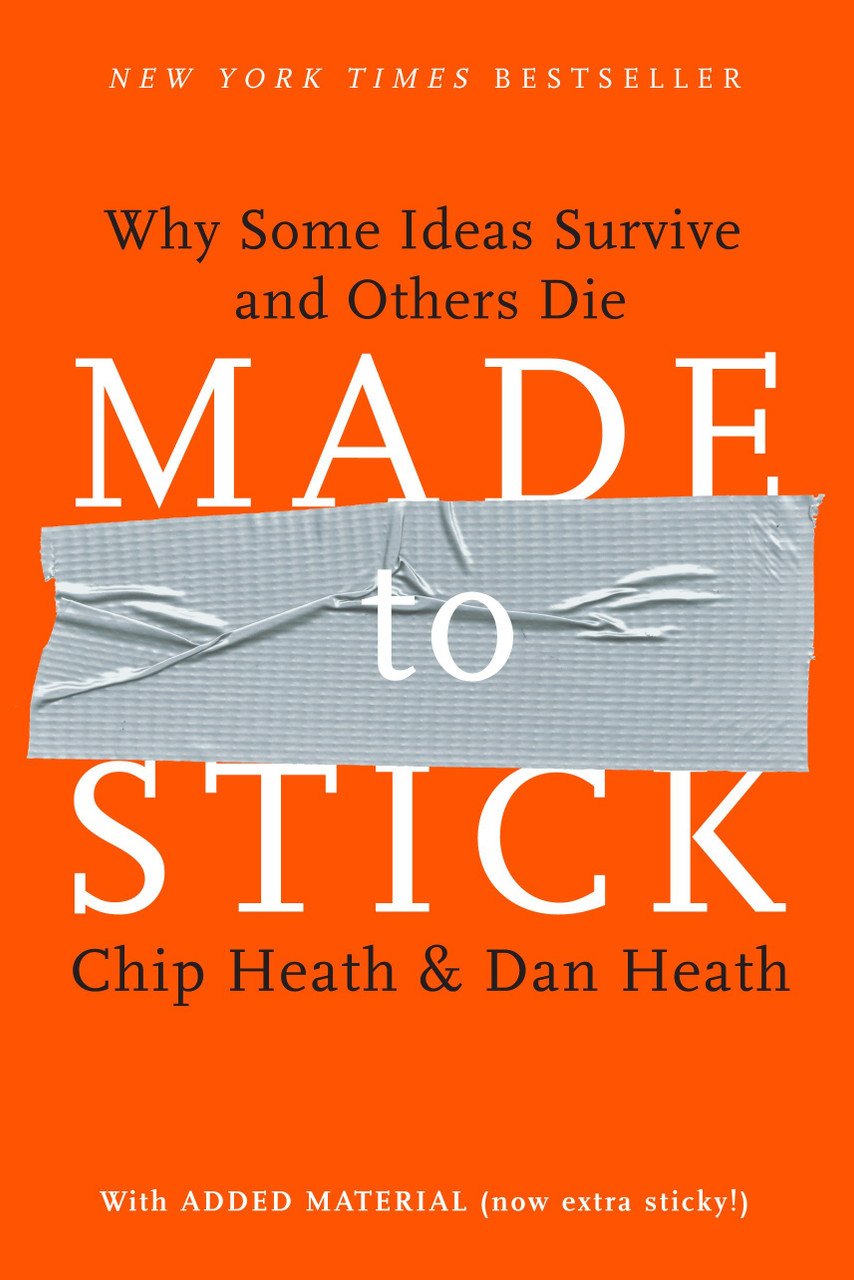
“Made to Stick” by Chip Heath is a must-read for anyone looking to improve their communication skills, whether in the workplace, in personal relationships, or in the public arena. This book provides a wealth of practical insights and concrete examples that demonstrate how to craft messages that are memorable, meaningful, and impactful.
One of the key insights offered by the authors is the importance of simplicity in effective communication. They argue that messages that are simple and clear are more likely to be remembered and acted upon than those that are complex or convoluted. To this end, they introduce the concept of the “SUCCESs” model, which outlines six key elements of effective messaging: simplicity, unexpectedness, concreteness, credibility, emotions, and stories.
The authors use a variety of real-life examples to illustrate the principles of the SUCCESs model. For instance, they describe how the makers of the “Got milk?” advertising campaign were able to craft a simple, memorable message that resonated with consumers and helped to increase milk consumption. Similarly, they recount the story of how the makers of a children’s toy were able to overcome a major marketing challenge by reframing the product’s message in a way that made it both simple and unexpected.
In addition to offering insights into effective communication, “Made to Stick” also provides practical tips and strategies for improving one’s own messaging skills. For instance, the authors suggest using concrete examples and stories to make messages more memorable and impactful, and they provide guidelines for evaluating the credibility of information and sources.
One of the strengths of this book is its accessibility and readability. The authors write in a clear, concise style that is easy to understand and follow, and they use humor and anecdotes to keep the reader engaged and interested. Whether you are a seasoned communicator or a novice, “Made to Stick” is an invaluable resource that will help you to craft messages that are both memorable and effective.
Overall, “Made to Stick” is a highly recommended book for anyone looking to improve their communication skills and make their messages stick. Whether you are a professional communicator, a leader, or just someone who wants to be more effective in your daily interactions, this book provides practical insights and strategies that are sure to be useful. So if you’re looking to get your message across and make it stick, pick up a copy of “Made to Stick” today!
My Personal Thoughts | Highlights
“Made to Stick” is insightful and I highly recommend this book for anyone looking to improve their communication skills. The SUCCESs model, practical tips, and real-life examples make it a valuable resource for enhancing one’s messaging abilities. The clear and concise writing style, along with the use of humor and anecdotes, makes the book a pleasure to read. Here are ten highlights that stand out to me:
The SUCCESs model: “Made to Stick” introduces the SUCCESs model for crafting effective messages, which includes the key elements of simplicity, unexpectedness, concreteness, credibility, emotions, and stories.
The importance of simplicity: The authors argue that messages that are simple and clear are more likely to be remembered and acted upon than those that are complex or convoluted.
The power of storytelling: Stories are a powerful tool for conveying ideas, making messages more memorable and impactful, and engaging the listener.
Credibility: The authors provide guidelines for evaluating the credibility of information and sources, and for enhancing one’s own credibility as a communicator.
Emotions: Effective messages often evoke emotions, and the authors describe how to use emotions to engage the listener and make messages more memorable.
Real-life examples: The authors use a variety of real-life examples to illustrate the principles of the SUCCESs model, from advertising campaigns to political speeches.
Practical tips and strategies: “Made to Stick” provides practical tips and strategies for improving one’s own messaging skills, from using concrete examples and stories to evaluating information credibility.
The role of unexpectedness: The element of unexpectedness can make messages more memorable and engaging, and the authors provide examples of how to incorporate unexpectedness into messages.
The impact of concreteness: The authors describe the importance of using concrete examples, images, and stories to make messages more tangible and memorable.
Readability and accessibility: The authors write in a clear, concise style that is easy to understand, and they use humor and anecdotes to make the book engaging and accessible to a wide range of readers.
Please comment below your thoughts if you’ve read this book as well and if you liked this review click the icon below to share it on your respective social media platform.
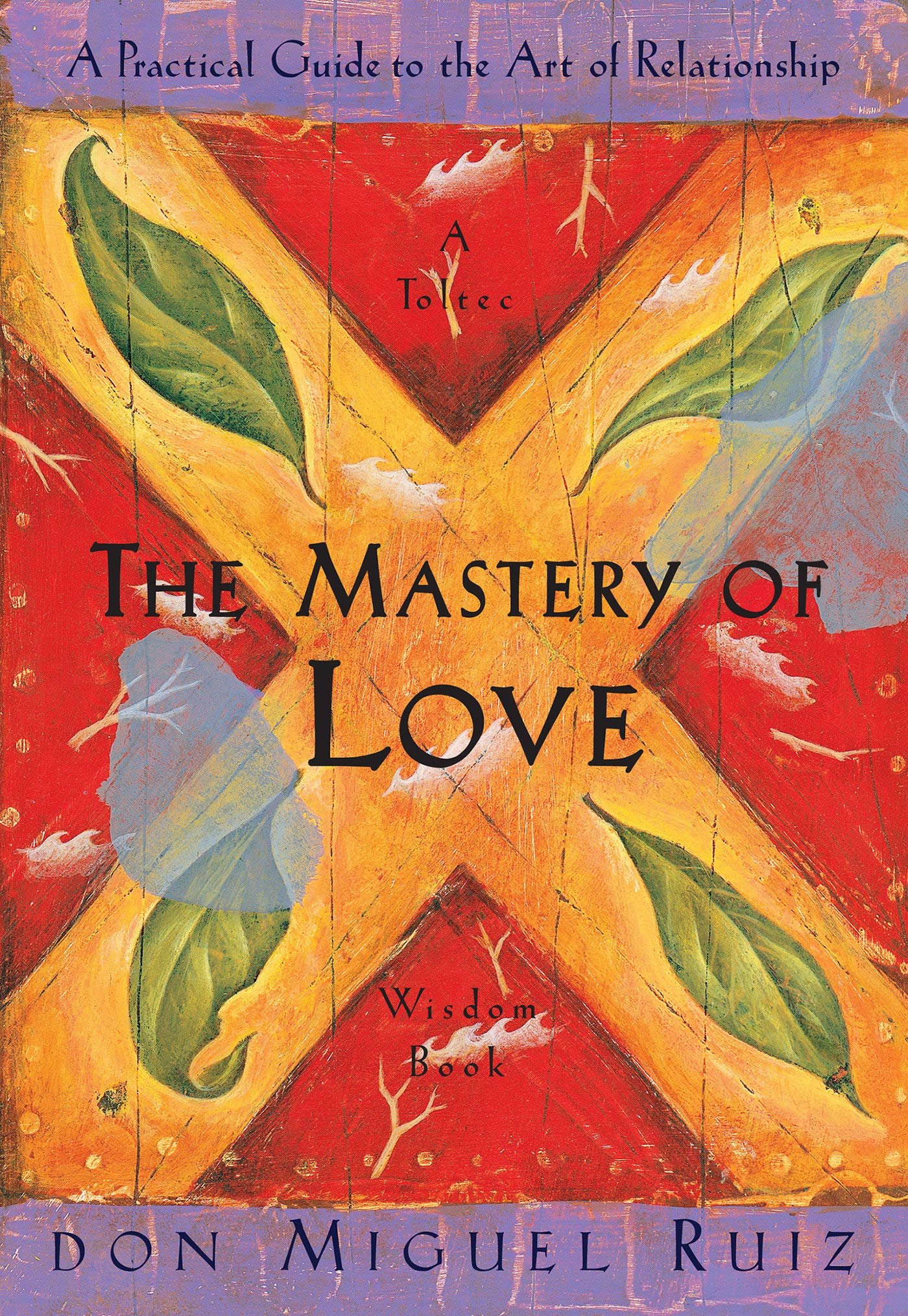
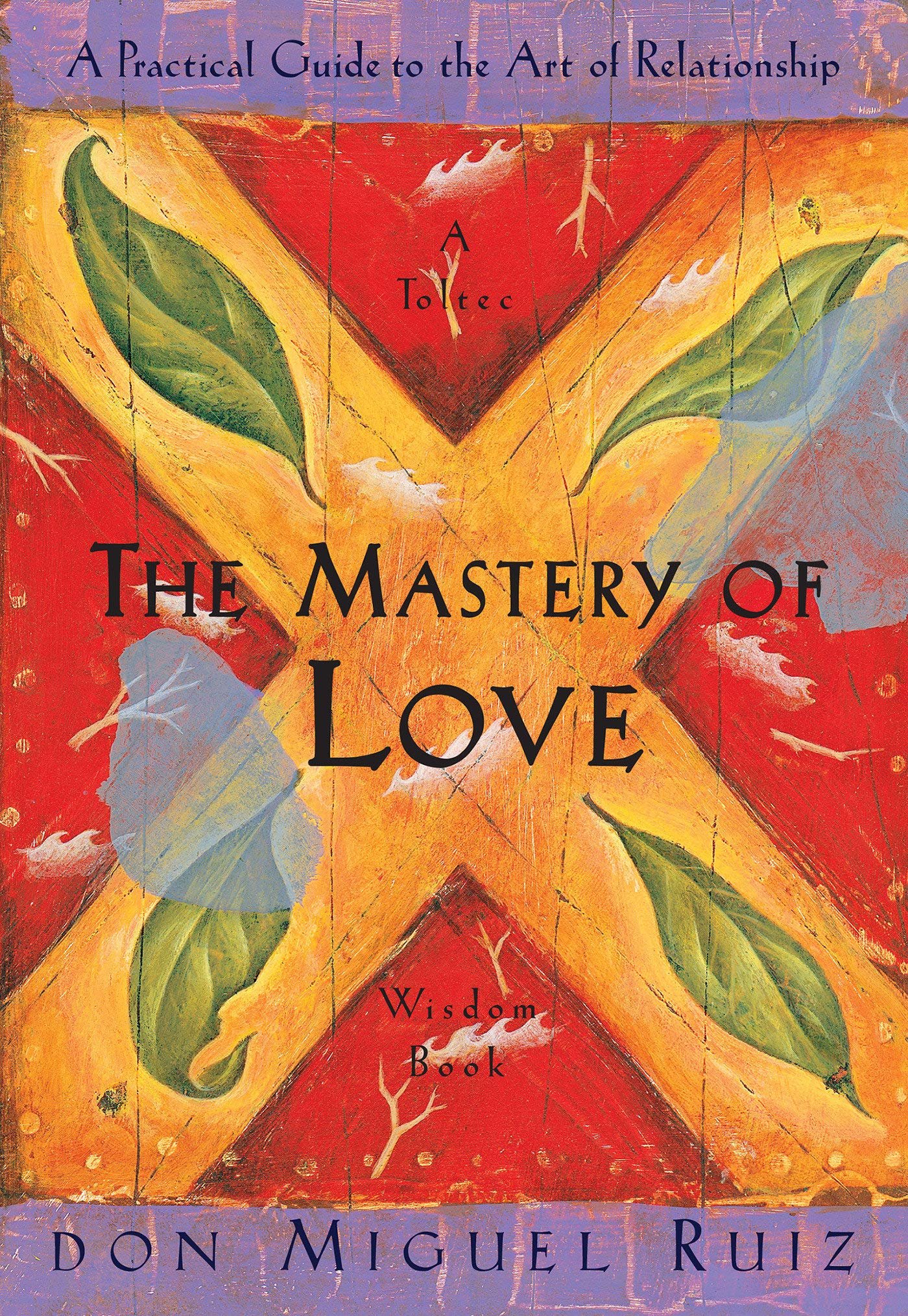
“Mastery of Love: A Practical Guide to the Art of Relationship” by Don Miguel Ruiz is a powerful and insightful book that delves into the nature of love and relationships. It presents the ancient wisdom of the Toltecs and offers practical tips and techniques for achieving mastery in our personal and professional relationships. Through his unique and thought-provoking teachings, Ruiz provides readers with a roadmap for transforming their relationships and achieving happiness and fulfillment in life.
One of the key themes of the book is the concept of love as a form of personal growth and transformation. Ruiz explains that love is not just an emotion or feeling, but a way of being that requires us to understand and embrace our own emotions, beliefs, and limitations. By learning to love ourselves and others more deeply, we can create more meaningful and fulfilling relationships and live a happier, more purposeful life.
Another important theme of the book is the importance of self-love in relationships. Ruiz argues that our capacity to love others is directly tied to our ability to love ourselves. He explains that when we lack self-love, we become trapped in limiting beliefs and behaviors that prevent us from creating healthy and fulfilling relationships. By practicing self-love, we can break free from these patterns and learn to love ourselves and others in a more authentic and meaningful way.
One of the most powerful aspects of the book is the emphasis on communication as a key to creating healthy relationships. Ruiz argues that effective communication is the cornerstone of any strong relationship, and provides readers with tips and techniques for improving their own communication skills. He explains the importance of listening actively, speaking from the heart, and avoiding judgment and expectations in order to build more meaningful and satisfying relationships.
The book also introduces the concept of “the four agreements of love”: be impeccable with your word, don’t take things personally, don’t make assumptions, and always do your best. These agreements are simple yet profound, and provide a framework for creating more fulfilling relationships with others and ourselves. By living in accordance with these agreements, we can overcome fear and reclaim the power of love in our lives.
Another powerful theme of the book is the importance of letting go of expectations and judgments in our relationships. Ruiz argues that expectations and judgments are the root cause of much of our suffering and conflict in relationships, and that by learning to let go of these negative thought patterns, we can create more harmonious and fulfilling connections with others. The concept of “domestication” is another important theme of the book, and refers to the process by which we are trained to conform to societal expectations and beliefs about love and relationships. Ruiz explains that domestication can prevent us from experiencing the full depth and richness of love and relationships, and that by breaking free from these limitations, we can reclaim our natural capacity for love and connection.
Ultimately, “Mastery of Love” is a book that inspires and transforms. Through its teachings and exercises, readers are encouraged to explore their own beliefs and emotions, and to develop a stronger and more loving connection with themselves and others. Whether you’re seeking to improve your existing relationships or looking for a deeper understanding of love, this book is a must-read for anyone on the path to personal growth and happiness.
In conclusion, “Mastery of Love” by Don Miguel Ruiz is a powerful and transformative guide to the art of relationships. Through its insights and teachings, readers can learn to love themselves and others more deeply, and to create more meaningful and fulfilling relationships in all areas of their lives.
My Personal Thoughts | Highlights
Mastery of Love gives anyone reading it a different perspective on not only love but the emotional body. It forces you to evaluate yourself and the different relationships you’ve had.
He provides practical tips and exercises for developing a greater sense of awareness and compassion for ourselves and others, and for breaking free from limiting beliefs and behaviors.
It makes you look at your life in its totality from the earliest time you can remember until now. Here are a few highlights this book expands on that I found interesting.
The importance of self-love in relationships.
How to identify and break limiting beliefs about love and relationships.
The role of communication in creating healthy relationships.
Understanding the four agreements of love.
How to overcome fear and reclaim the power of love.
The concept of “domestication” and how it affects relationships.
The importance of letting go of expectations and judgments.
Developing a strong and loving connection with yourself.
The impact of forgiveness in transforming relationships.
Love as a form of personal growth and transformation.
I’d love to here your personal thoughts on this book and what your takeaways are from it as well. Please comment below.
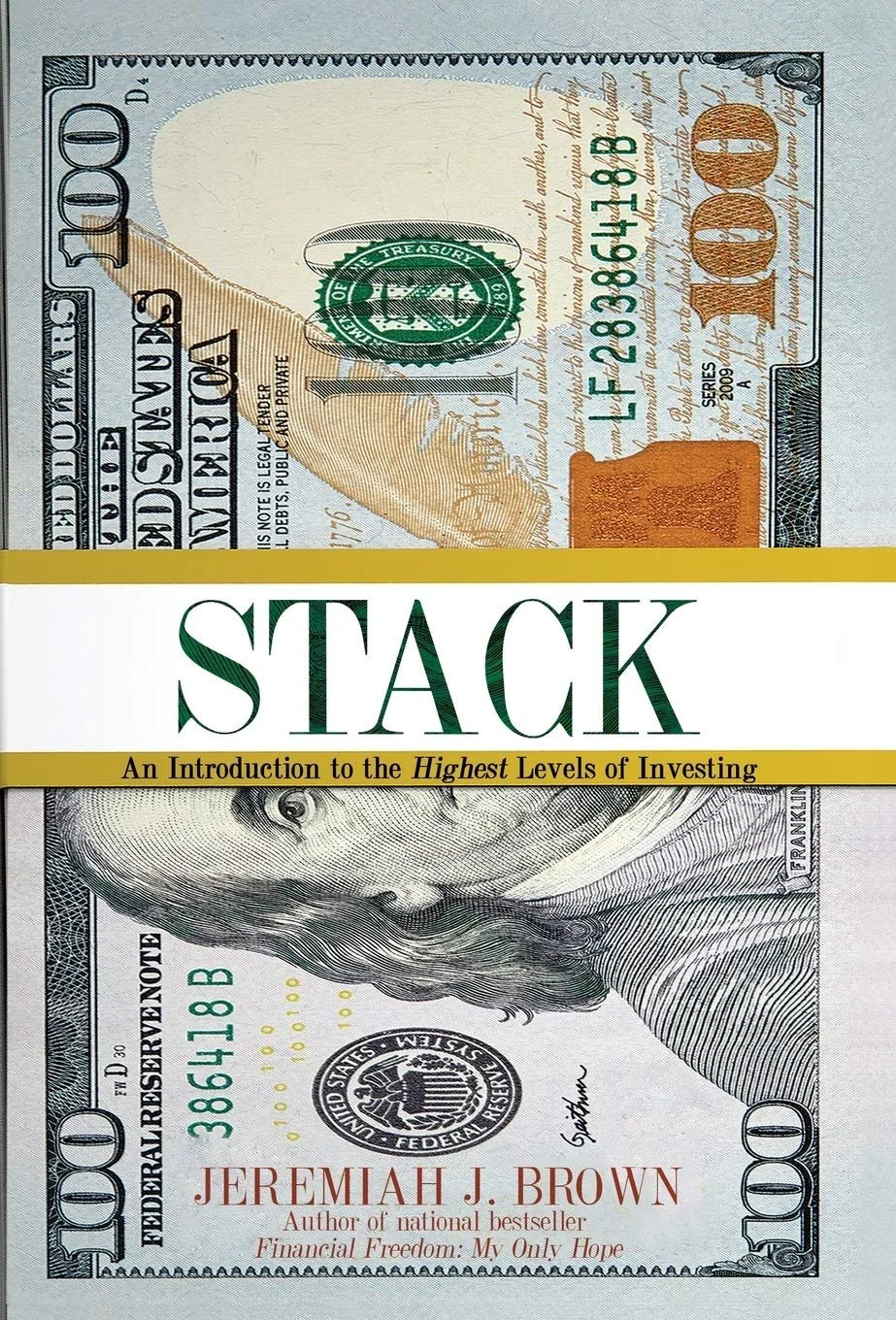
In the book Stack, the author reveals the top 10 esoteric financial strategies the ultra-rich use to quickly and efficiently accumulate wealth. These strategies are designed to help the reader achieve financial independence that can last for generations. The book focuses on using various financial tools such as stocks, gold, real estate, and businesses and how to utilize them to obtain financial success effectively.
One of the book’s central themes is the idea that time is a crucial factor in building wealth, and the ultra-rich have learned to use the money to make more of themselves. The author provides a practical roadmap to accessing the highest levels of investing and financial knowledge and shows how the wealthy can apply the same financial loopholes and guidelines to the reader’s life, regardless of their current financial situation.
The book aims at individuals looking to improve their financial knowledge and gain a deeper understanding of the strategies and techniques used by the wealthy to build and preserve their wealth. It provides a comprehensive and actionable guide to achieving financial success and independence. The book is not just for rich people but also for anyone looking to improve their financial situation and create long-term wealth.
Additionally, Stack delves into the mindset and philosophies of the financial elite and how they approach money and investing. The author provides insight into the psychology of wealth and how adopting a particular mindset can lead to greater financial success.
The book also covers the importance of diversification in investing and how spreading one’s assets across different types of investments can help to mitigate risk and increase the chances of success. It also discusses the importance of financial education and the need to constantly learn and stay informed about the latest trends and developments in the financial world.
Stack also provides readers with a step-by-step guide to implementing the strategies and techniques discussed in the book. The author offers practical advice and tips on how to get started and navigate the complex world of investing and finance.
Overall, Stack is a comprehensive and informative guide that provides readers with a wealth of knowledge and strategies to help them achieve financial success and independence. Whether you are a seasoned investor or just starting out, this book is an essential resource for anyone looking to improve their financial situation and create long-term wealth.
My Thoughts | Highlights
I enjoyed reading another Jeremiah J. Brown Book, He does an incredible job of putting a lot of normally dense information in a small easy-to-read book. The book in total is maybe 85 pages or so, so you can finish it in a few hours max. He takes the reader on a journey through different aspects of the financial spectrum and key philosophies.
Here are a few highlights he touches on to give you an idea of what to expect in the book:
The IRS has it’s favorites or better yet the tax code is written to 90% of the time benefit investors and entrepreneurs.
Never sell the Chicken only sell the eggs, the Chicken is the asset that produces the cash flow(eggs). (Think Rental Property)
Price and Value are not the same thing, the worse thing you can do is overpay especially for a liability. An Example of this would be buying a vehicle that’s MSRP is $120,000 but you pay $200k for it. The Value is the $120k, obviously there is nuance within this.
Treat long term investing in the stock market like you would when you are bargain shopping focus on the deals within the market.
Just 39% of people have at least $1000 saved to cover an emergency, that means 61% of people don’t have a $1,000 in their savings.
More than 70% of americans live paycheck to paycheck.
Audacity separates the haves and have nots.
He speaks on Bitcoin, Gold, Retirement accounts, triple net lease investing, R.E.I.T, Helocs, and so many more topics. He does a good job of getting straight to the point with not a lot of fluff. A lot of the topics he discusses gives you enough information to do further research on your own as well.
Comment below what your thoughts are on this book.