Category: Fitness and Health

  • The Importance of Hydration: How to Stay Properly Hydrated

    The Importance of Hydration: How to Stay Properly Hydrated

    Hydration is the process of replenishing the body with fluids, particularly water, to maintain a proper balance of bodily fluids. The human body is composed of approximately 60% water, and this water is essential for a wide range of physiological processes such as regulating body temperature, aiding digestion, transporting nutrients and oxygen to cells, and removing waste.

    Proper hydration is critical for maintaining good health and preventing a variety of health problems. Dehydration, which occurs when the body loses more fluids than it takes in, can cause symptoms such as dry mouth, thirst, fatigue, dizziness, headache, and in severe cases, it can lead to heat exhaustion or heat stroke, kidney failure, and even death.

    Here are some tips to stay properly hydrated:

    1. Drink plenty of water: The easiest way to stay hydrated is by drinking enough water throughout the day. The amount of water you need can vary depending on factors such as your activity level, climate, and overall health. A general guideline is to drink at least eight 8-ounce glasses of water per day.

    2. Eat water-rich foods: In addition to drinking water, you can also stay hydrated by eating foods that have high water content such as fruits, vegetables, and soups.

    3. Monitor your urine color: Checking the color of your urine is a simple way to monitor your hydration levels. Clear or light yellow urine typically indicates proper hydration, while dark yellow or amber urine may indicate dehydration.

    4. Avoid alcohol and caffeine: Alcohol and caffeine can increase urination and lead to dehydration. Limit your intake of these substances, especially in hot weather or during physical activity.

    5. Drink water before, during, and after exercise: During exercise, the body loses fluids through sweating. To stay properly hydrated, it’s important to drink water before, during, and after exercise.

    6. Pay attention to thirst cues: Thirst is the body’s way of telling you that it needs water. Don’t ignore your thirst cues, and drink water as soon as you feel thirsty.

    In summary, staying properly hydrated is essential for maintaining good health and preventing dehydration. Drinking plenty of water, eating water-rich foods, monitoring urine color, avoiding alcohol and caffeine, drinking water during exercise, and paying attention to thirst cues are all simple ways to stay hydrated and keep your body functioning at its best.


  • How to Build a Strong and Healthy Immune System

    How to Build a Strong and Healthy Immune System

    Building a strong and healthy immune system is essential for overall well-being and to protect against diseases and infections. Here are some ways to improve and maintain a healthy immune system:

    1. Eat a healthy diet: A diet rich in fruits, vegetables, whole grains, and lean protein can provide the nutrients necessary for a healthy immune system. Vitamins A, C, and E, as well as zinc, iron, and selenium, are particularly important for immune function.

    2. Stay hydrated: Drinking enough water helps to flush out toxins from the body and maintain a healthy immune system. Aim to drink at least eight glasses of water a day.

    3. Get enough sleep: Sleep is essential for immune function, as it allows the body to repair and regenerate. Aim for seven to eight hours of sleep a night.

    4. Exercise regularly: Regular exercise can help to strengthen the immune system by increasing the production of antibodies and white blood cells. Aim for at least 30 minutes of moderate exercise a day.

    5. Reduce stress: Chronic stress can weaken the immune system, so it’s important to find ways to manage stress. Techniques such as meditation, yoga, and deep breathing can be helpful.

    6. Avoid smoking and excessive alcohol consumption: Both smoking and excessive alcohol consumption can weaken the immune system, so it’s best to avoid or limit these habits.

    7. Practice good hygiene: Washing your hands regularly, covering your mouth and nose when coughing or sneezing, and avoiding contact with sick individuals can all help to reduce the risk of infection.

    By following these tips, you can build a strong and healthy immune system and reduce your risk of illness and disease.

  • The Power of Positive Thinking: How Your Thoughts Affect Your Health

    The Power of Positive Thinking: How Your Thoughts Affect Your Health

    The power of positive thinking refers to the idea that our thoughts and beliefs can have a direct impact on our health and well-being. This concept has been studied extensively in the field of psychology and has been shown to have a significant influence on our physical, mental, and emotional health.

    Positive thinking involves focusing on optimistic and constructive thoughts, beliefs, and attitudes. It involves looking for the good in every situation, focusing on solutions instead of problems, and approaching challenges with a positive mindset. This practice can lead to lower stress levels, better emotional regulation, and improved overall mental and physical health.

    Research has shown that positive thinking can have a direct impact on our physical health. Studies have found that individuals who have a positive outlook on life have a lower risk of developing chronic diseases such as heart disease, stroke, and diabetes. Additionally, positive thinking has been shown to improve the immune system’s function, reduce inflammation, and improve overall healing rates.

    Positive thinking can also have a significant impact on our mental and emotional well-being. Individuals who practice positive thinking are more likely to experience lower levels of stress and anxiety, better coping skills, and greater overall life satisfaction. They are also more resilient in the face of adversity and are better able to bounce back from setbacks.

    In conclusion, the power of positive thinking is a real phenomenon that can have a significant impact on our health and well-being. By cultivating a positive mindset, focusing on the good in every situation, and approaching challenges with optimism, we can improve our overall quality of life and enhance our physical, mental, and emotional health.

  • The Science of Nutrition: How to Fuel Your Body for Optimal Health

    The Science of Nutrition: How to Fuel Your Body for Optimal Health

    The science of nutrition is a complex field that explores how different foods and nutrients interact with the human body and affect our health. Proper nutrition is essential for optimal health, as it provides the body with the necessary fuel to perform its various functions and maintain overall wellbeing.

    Nutrients are substances that our bodies need to function properly, and they come from the food we eat. There are six main types of nutrients: carbohydrates, proteins, fats, vitamins, minerals, and water. Each nutrient plays a specific role in the body, and deficiencies or imbalances in any of them can lead to health problems.

    Carbohydrates are the body’s primary source of energy and are found in foods like bread, pasta, rice, and fruits. Proteins are essential for building and repairing tissues and can be found in foods like meat, fish, eggs, and legumes. Fats provide energy and help absorb certain vitamins, and can be found in foods like nuts, seeds, and oils. Vitamins and minerals are essential for various bodily functions, including bone health, immune function, and energy production. Water is also essential for hydration and helps regulate body temperature.

    To fuel your body for optimal health, it is important to eat a balanced diet that includes a variety of nutrient-dense foods. This means choosing foods that are rich in nutrients but low in calories, such as fruits, vegetables, lean proteins, and whole grains. It is also important to limit your intake of processed and sugary foods, as these can lead to weight gain and other health problems.

    In addition to eating a healthy diet, it is important to stay hydrated by drinking plenty of water throughout the day. It is also important to get regular exercise, as this helps to maintain a healthy weight and supports overall wellbeing.

    Overall, the science of nutrition is a complex field that explores how different nutrients interact with the human body and affect our health. By eating a balanced diet that includes a variety of nutrient-dense foods, staying hydrated, and getting regular exercise, you can fuel your body for optimal health and wellbeing.

  • Healthy Habits: A Guide to Better Living

    Healthy Habits: A Guide to Better Living

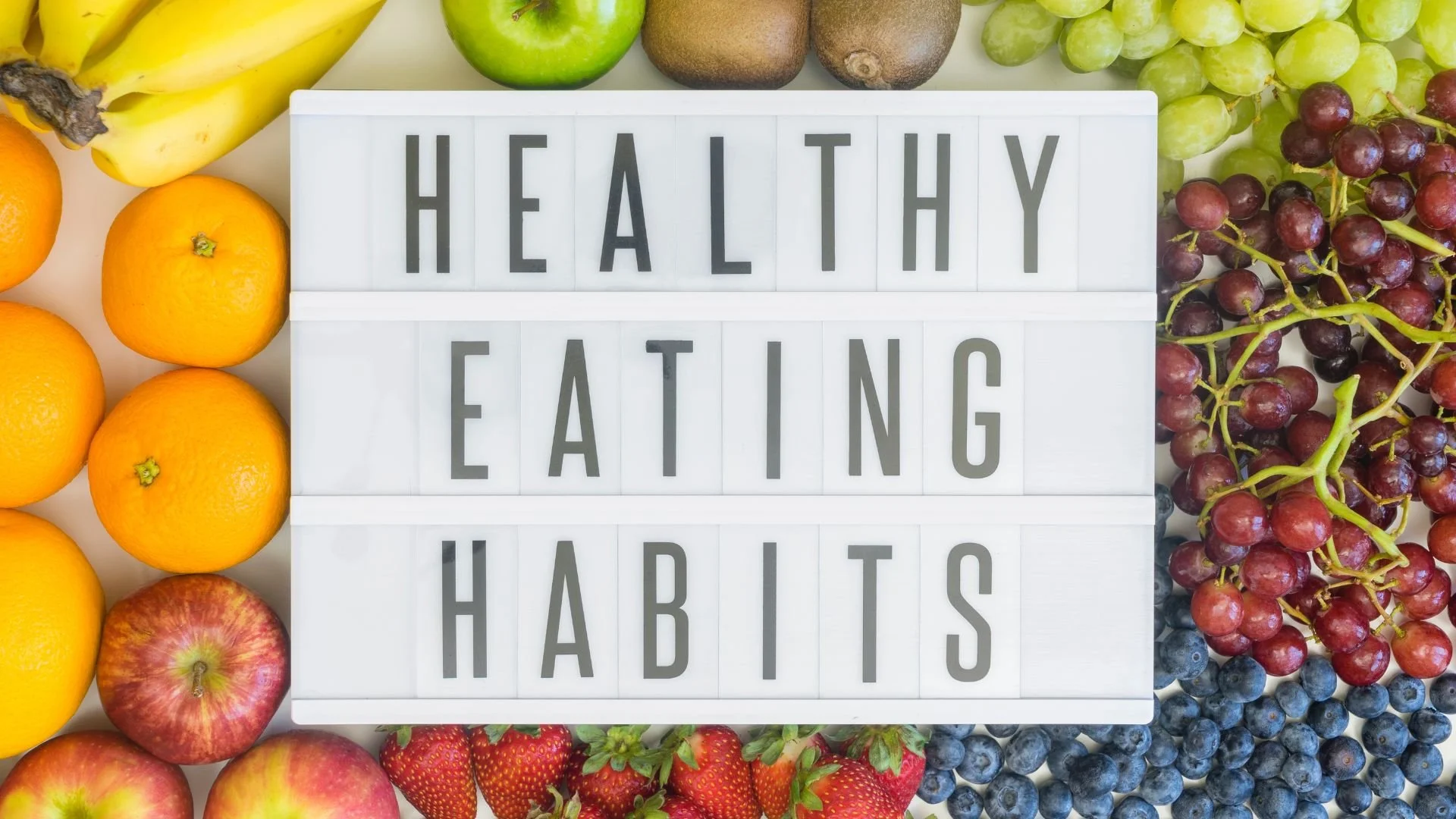
    Healthy habits are essential for maintaining good physical, mental, and emotional health. Adopting healthy habits can help you feel more energized, reduce your risk of developing chronic diseases, and improve your overall quality of life. Here’s a guide to some healthy habits that you can adopt for better living:

    1. Eat a healthy, balanced diet: A healthy diet includes plenty of fruits, vegetables, whole grains, lean proteins, and healthy fats. Avoid processed foods, sugary drinks, and excessive amounts of salt and saturated fat.

    2. Exercise regularly: Exercise is essential for maintaining good physical health. Aim for at least 30 minutes of moderate-intensity exercise most days of the week.

    3. Get enough sleep: Sleep is crucial for physical and mental health. Aim for 7-8 hours of sleep per night.

    4. Manage stress: Stress can have a negative impact on your health. Learn to manage stress through relaxation techniques, such as meditation, yoga, or deep breathing exercises.

    5. Stay hydrated: Drink plenty of water throughout the day to stay hydrated.

    6. Practice good hygiene: Wash your hands regularly, cover your mouth and nose when coughing or sneezing, and avoid touching your face.

    7. Maintain social connections: Social connections are essential for good mental health. Make time for friends and family, and participate in social activities.

    8. Limit alcohol and drug use: Excessive alcohol and drug use can have a negative impact on your health. Limit your intake and avoid using drugs altogether.

    By adopting these healthy habits, you can improve your overall health and well-being. Remember to make small, gradual changes and be patient with yourself as you work towards better living.

  • Gut Health

    Gut Health

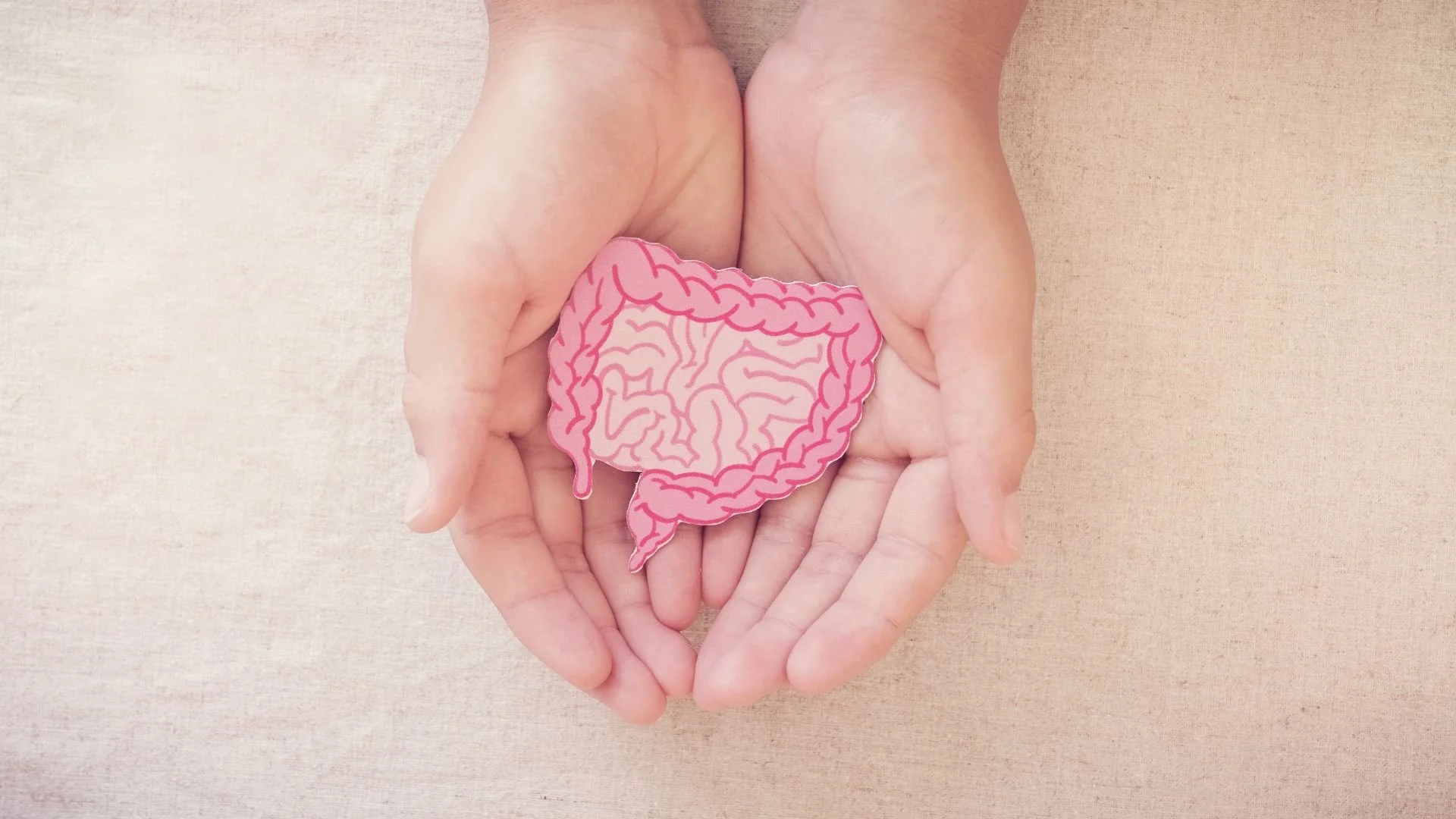
    Gut health refers to the overall health and function of the digestive system, which includes the stomach, small and large intestines, and the associated organs and tissues. The gut is home to a complex ecosystem of microorganisms, including bacteria, viruses, and fungi, which are collectively known as the gut microbiome. The health of this microbiome is critical to the overall health of the body, as it plays a key role in digestion, immune function, and even mental health.

    One way to maintain good gut health is to consume a healthy and balanced diet, rich in fiber, fruits, vegetables, and lean protein. This can help to promote the growth of beneficial bacteria in the gut, while minimizing the growth of harmful bacteria. Additionally, staying hydrated, getting enough sleep, and reducing stress levels can also help to support gut health.

    Certain factors can negatively impact gut health, including a diet high in processed foods and sugar, the overuse of antibiotics, and chronic stress. These can disrupt the balance of bacteria in the gut, leading to inflammation, digestive problems, and even chronic disease.

    If you’re experiencing digestive issues or other symptoms related to gut health, it’s important to talk to a healthcare provider. They may recommend dietary changes, probiotics, or other interventions to help improve gut health and overall well-being.

  • High-intensity interval training

    High-intensity interval training

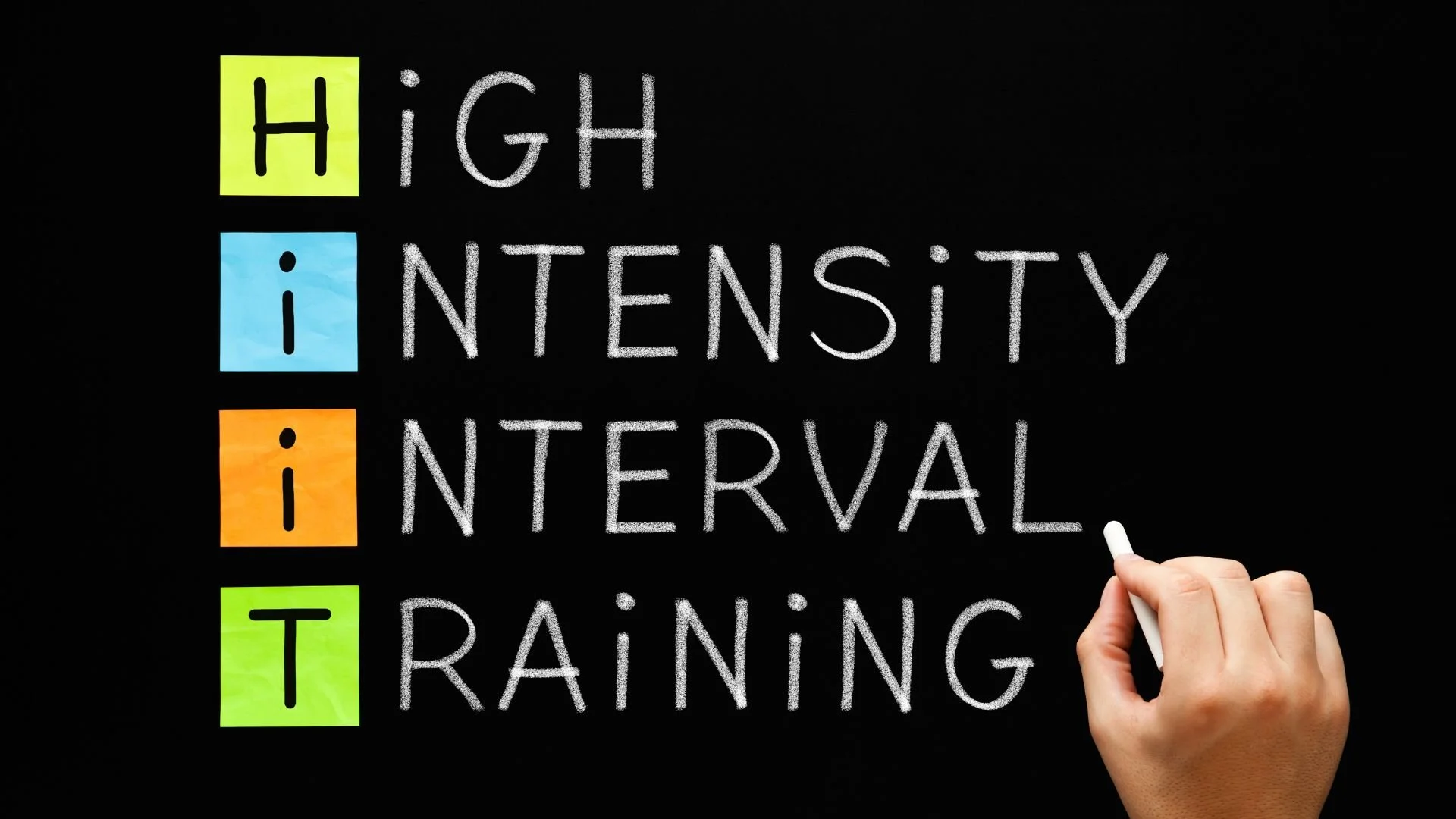
    High-Intensity Interval Training (HIIT) is a type of exercise that involves short bursts of intense activity followed by periods of rest or low-intensity exercise. HIIT has gained popularity in recent years due to its potential to provide numerous health benefits in a relatively short amount of time.

    During a HIIT workout, you would perform short, intense bursts of exercise, such as sprints or jumping jacks, for a set amount of time, typically around 20-30 seconds. This is followed by a period of rest or low-intensity exercise, such as walking or jogging, for a similar amount of time. This cycle is then repeated for several rounds, typically around 4-6, although the number can vary depending on the specific workout.

    One of the main benefits of HIIT is that it can be very time-efficient. A typical HIIT workout can be completed in as little as 20-30 minutes, making it a great option for people who are short on time. Despite its short duration, HIIT can provide a range of health benefits, including improved cardiovascular fitness, increased muscle strength and endurance, and improved insulin sensitivity.

    Another benefit of HIIT is that it can help you burn more calories in a shorter amount of time compared to traditional steady-state cardio exercise. This is because HIIT workouts often involve a higher intensity level, which can increase your heart rate and metabolic rate, leading to more calories burned both during and after the workout.

    Overall, HIIT is a challenging but effective type of exercise that can provide numerous health benefits. If you are interested in incorporating HIIT into your fitness routine, it is important to start slowly and gradually increase the intensity and duration of your workouts over time. It is also important to consult with a healthcare professional before beginning any new exercise program, especially if you have any underlying health conditions.

  • Functional Training

    Functional Training

    Functional training is a type of exercise that focuses on movements that mimic everyday activities and improve overall body function. The goal of functional training is to develop the strength, flexibility, and balance needed to perform daily tasks more efficiently and safely.

    Unlike traditional weight lifting, which often isolates muscles and focuses on specific muscle groups, functional training exercises typically involve multiple muscle groups and movements that simulate real-life activities. Examples of functional exercises include squats, lunges, push-ups, and deadlifts.

    Functional training is popular among athletes and fitness enthusiasts because it can improve sports performance and reduce the risk of injury. It is also effective for older adults and people with injuries or chronic conditions because it can improve balance, coordination, and overall mobility.

    Functional training can be done using bodyweight exercises or with equipment such as resistance bands, kettlebells, or medicine balls. It can be incorporated into a regular workout routine or used as a standalone workout.

    Overall, functional training is a versatile and effective approach to exercise that can benefit people of all ages and fitness levels. By improving overall body function and performance, it can help people live healthier, more active lives.

  • Holistic Health

    Holistic Health

    Holistic health refers to an approach to healthcare that considers the whole person – body, mind, and spirit – rather than just focusing on a specific illness or symptom. It recognizes that each person is unique and complex, and that health is influenced by a variety of factors, including physical, emotional, and environmental factors.

    Holistic health emphasizes the importance of prevention and self-care, and encourages individuals to take an active role in maintaining their own health and well-being. This may include adopting healthy lifestyle habits, such as regular exercise, a balanced diet, stress reduction techniques, and getting enough sleep.

    Holistic health also recognizes the interconnectedness of the body and the mind, and the impact that mental and emotional health can have on physical health. It may involve practices such as meditation, yoga, acupuncture, or massage to promote relaxation and reduce stress.

    Another important aspect of holistic health is the integration of conventional and alternative approaches to healthcare. This may involve combining traditional medical treatments with complementary therapies, such as herbal medicine, acupuncture, or chiropractic care.

    Holistic health practitioners take a comprehensive approach to health and well-being, and may work with individuals to develop personalized treatment plans that address their unique needs and goals. This may involve addressing physical symptoms, emotional issues, and environmental factors that may be contributing to health problems.

    Overall, holistic health is a philosophy that recognizes the importance of treating the whole person, rather than just focusing on specific symptoms or illnesses. It encourages individuals to take an active role in their own health and well-being, and to seek out treatments and practices that support their physical, emotional, and spiritual health.

  • Intermittent Fasting

    Intermittent Fasting

    Intermittent fasting is a pattern of eating that involves alternating periods of fasting and eating. This approach to eating has gained popularity in recent years due to its potential health benefits and simplicity.

    There are several different ways to practice intermittent fasting, but the most common methods involve restricting food intake for a set period of time each day or week. One popular method is the 16/8 method, which involves fasting for 16 hours each day and eating within an 8-hour window. Another common approach is to fast for 24 hours once or twice a week.

    Research suggests that intermittent fasting may have a number of health benefits, including weight loss, improved metabolic health, and reduced inflammation. Some studies have also suggested that intermittent fasting may help to improve brain function, increase lifespan, and reduce the risk of chronic diseases such as heart disease, diabetes, and cancer.

    However, it is important to note that intermittent fasting is not a magic bullet for health and weight loss. It should be combined with a balanced, nutritious diet and regular exercise for optimal results. It may also not be appropriate for everyone, particularly those with a history of disordered eating or certain medical conditions.

    Overall, intermittent fasting is a promising approach to eating that may offer a range of health benefits. However, it is important to consult a healthcare professional before starting an intermittent fasting regimen to ensure that it is safe and appropriate for your individual needs.